
There is no question that sun protection for permanent makeup is important from the off. Put simply, you should not be applying sunscreen to the treated area in the course of its healing unless your clinician or artist has made an exception. Think of new permanent makeup as micro-wounded skin. And in this country where the UV in Australia can be as tough as nails on a day that otherwise seems mild, one is best served by physical means of protection: put on some sunglasses and a hat with a good brim, get into the shade and keep out of the direct rays.
A lot of people make the mistake of lathering on sunscreen because they know it is the right thing to do, but too soon. With microblading or the like, doing so during the healing phase is likely to cause irritation and leave you with patchy colour. Edward Ashford would have it a more straightforward way: once the skin is completely closed and your practitioner gives the all clear, then you can use SPF; until then, stay out of the sun and protect the area physically.
The case for early UV caution
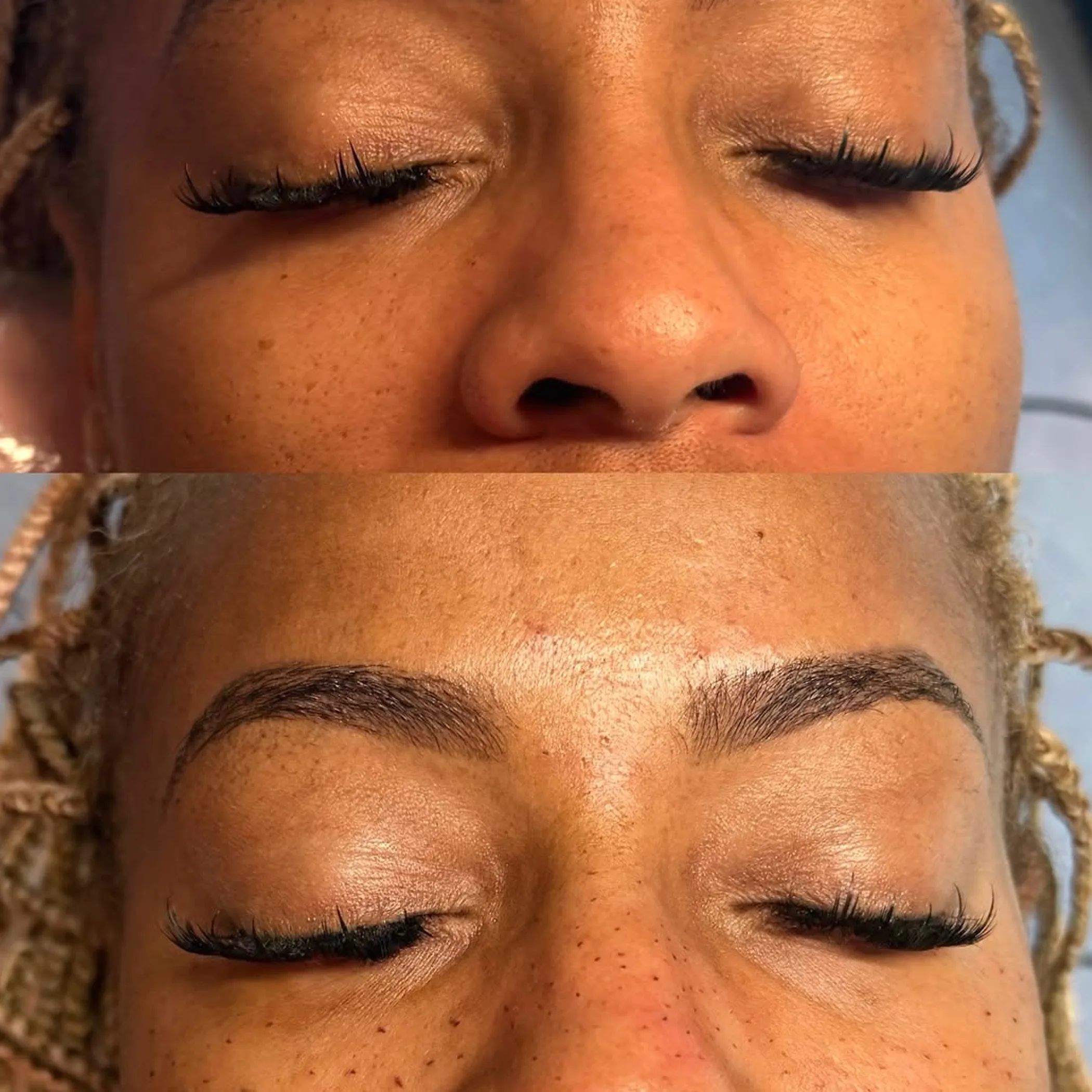
One does not want to be nonchalant about aftercare for a fresh cosmetic tattoo in Australia. It’s important to follow an eyebrow tattoo aftercare routine. The UV index will be on the rise and your skin is already taking its toll, so even something as unassuming as a trip to the bus stop or a walk from the car park on the way to school can add up.
The trouble is that the skin is inflamed and its barrier is yet to be rebuilt while the permanent makeup heals. Letting the sun on it can compound any redness or irritation and see the pigment fade before the work has had a chance to set.
In what way the sun gets to you
Both the implanted pigment and the skin are at the mercy of UV. You run the risk of post-inflammatory changes to the colour, uneven retention and a slower recovery, if you are the type to hyperpigment for instance. That is why you will hear Skin Art Training, Halcyon Cosmetic, Eleven Pillars Tattoo Studio and trainers with Gorgeous Artistry or Brows by Monique making a point of strict aftercare when it comes to the elements. They may differ on product recommendations but the message is uniform: do not experiment with fresh work, protect it.
A matter of timing
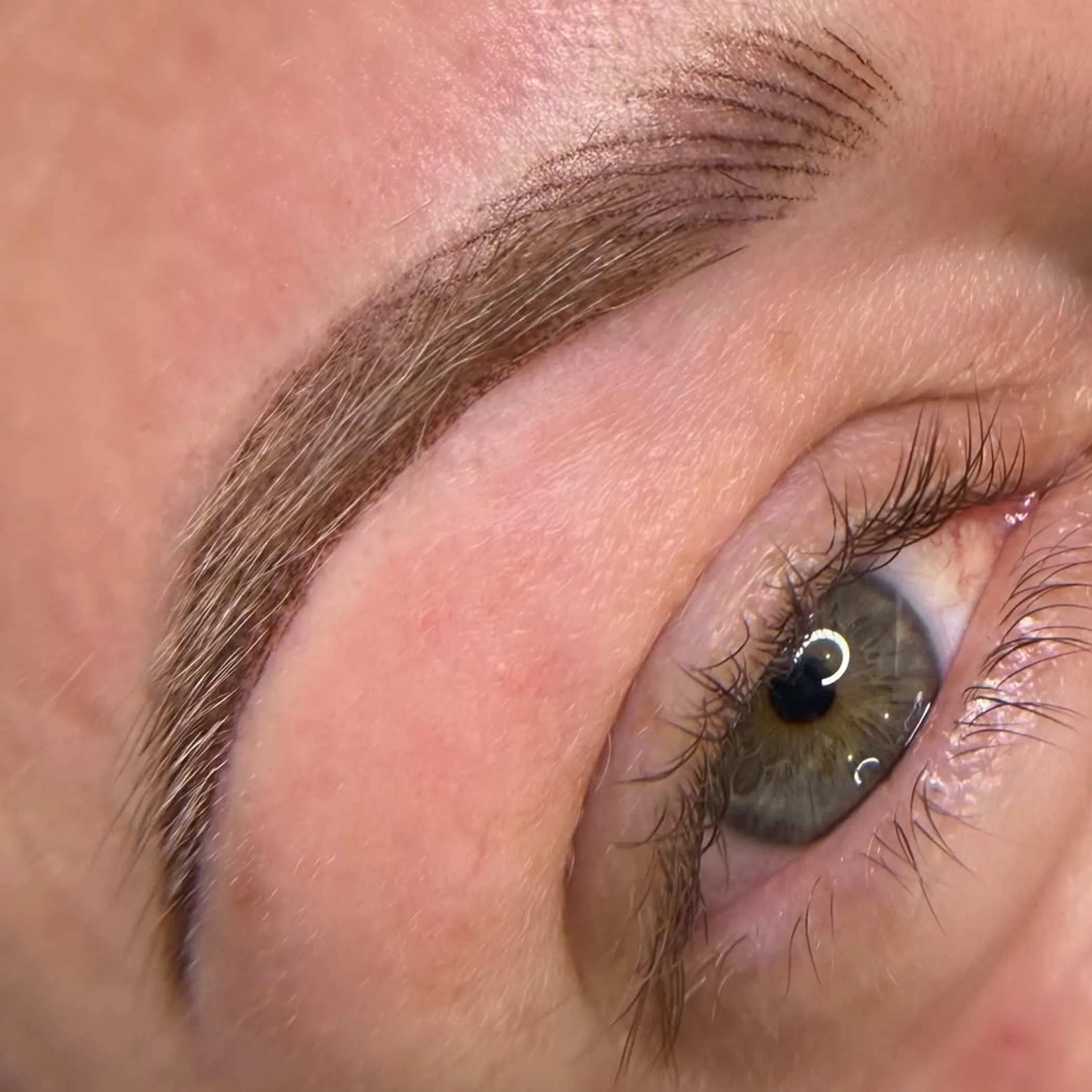
To safeguard your results you have to time things right. There is no easy answer as to when to put on sunscreen after permanent makeup, it is a question of whether the skin is tender, flaky or tight. Do not be fooled by the mirror into thinking “it looks fine” equates to “it is healed”. The skin barrier has to be back in order first.
How it plays out
You can expect 7 to 14 days of initial healing with an eyebrow or lip blush procedure, though it will take weeks for it to fully settle. First there is scabbing and flaking, then the colour will come back in a more even fashion after looking a bit light.
Down here in Brisbane the humidity and heat can complicate matters. Ten minutes walking is enough to put you in a sweat and that, along with the UV and the rubbing of your hat or sunnies, is no way to treat micro-wounded skin.
| Healing Window | What to expect | How to handle the UV |
| Days 1–3 | Some swelling and redness, the pigment will be dark and the area tender. | No sunscreen, just cover up and seek shade. |
| Days 4–10 | It will be dry and itchy with some flaking and scabs. | Steer clear of the sun and do not put anything on the area unless told to. |
| Days 10–14 | Things should be calmer on the surface, though there can be patchiness. | Rely on a hat and the shade for now if the skin is not quite done. |
| Once the surface has healed and there is no open skin or flakes left | A broad-spectrum 30+ SPF is in order, provided your artist says so. |
Take the above as a guide only. An eyeliner may seem to have healed when it has not, and with lip blush the lips are exposed to wind, food and saliva so they are apt to be more sensitive. If you are unsure, put it to the person who performed the procedure.
Then there is the possibility of things going awry. UV damage in the healing process is more than a fading issue; it can be the source of irritation and an unpredictable outcome. In short, you are risking uneven colour, prolonged healing and the need to put up with premature product use for what you put your money down on. Hyperpigmentation is an issue for some, in the case of those with a tendency to have inflammatory skin.
Pigment, Skin And Heat
There are no two ways about it, fresh permanent makeup and a strong sun do not mix. Over time UV will break down the pigment; add to that the heat and perspiration of the first few weeks and you have an area that is further irritated.
Then there is the Australian way of looking at it. The Cancer Council Australia has SunSmart advice on UV levels and protection which is to put on some whenever the UV Index is 3 or more. In much of Australia one does not have to look hard to find those conditions for long periods of the day and for most of the year. So UV protection is part of your permanent makeup planning even when it is overcast or cool.
Days 1 To 14
Restraint is called for at this point. Treat the area with care and the pigment has every chance to heal in an even manner and be long lasting.
But people have a habit of being impatient. They are inclined to want to put on their regular skincare, go to the gym, wash as they normally would or be by the water. Trouble usually begins there.
Things to put off for now
- Unless instructed otherwise by your practitioner, sunscreen should not be put on new permanent makeup.
- Let any scabbing or flaking be, even if it appears a bit dodgy for a while; do not pick at it.
- Active skincare is to be kept off the area, be it exfoliating acids, retinoids or a potent vitamin C.
- In the early going, avoid heavy sweating and direct sun, tanning beds, saunas or steam rooms.
- And do not think your standard aftercare for an eyebrow tattoo means SPF from the get-go.
If you must be out for a day or two, make allowances. Do your errands and park close in, head out early or late and find some shade. A beach outing or a long walk on a bush track is not on the agenda, nor is standing hatless at junior sport.
Put up a physical barrier
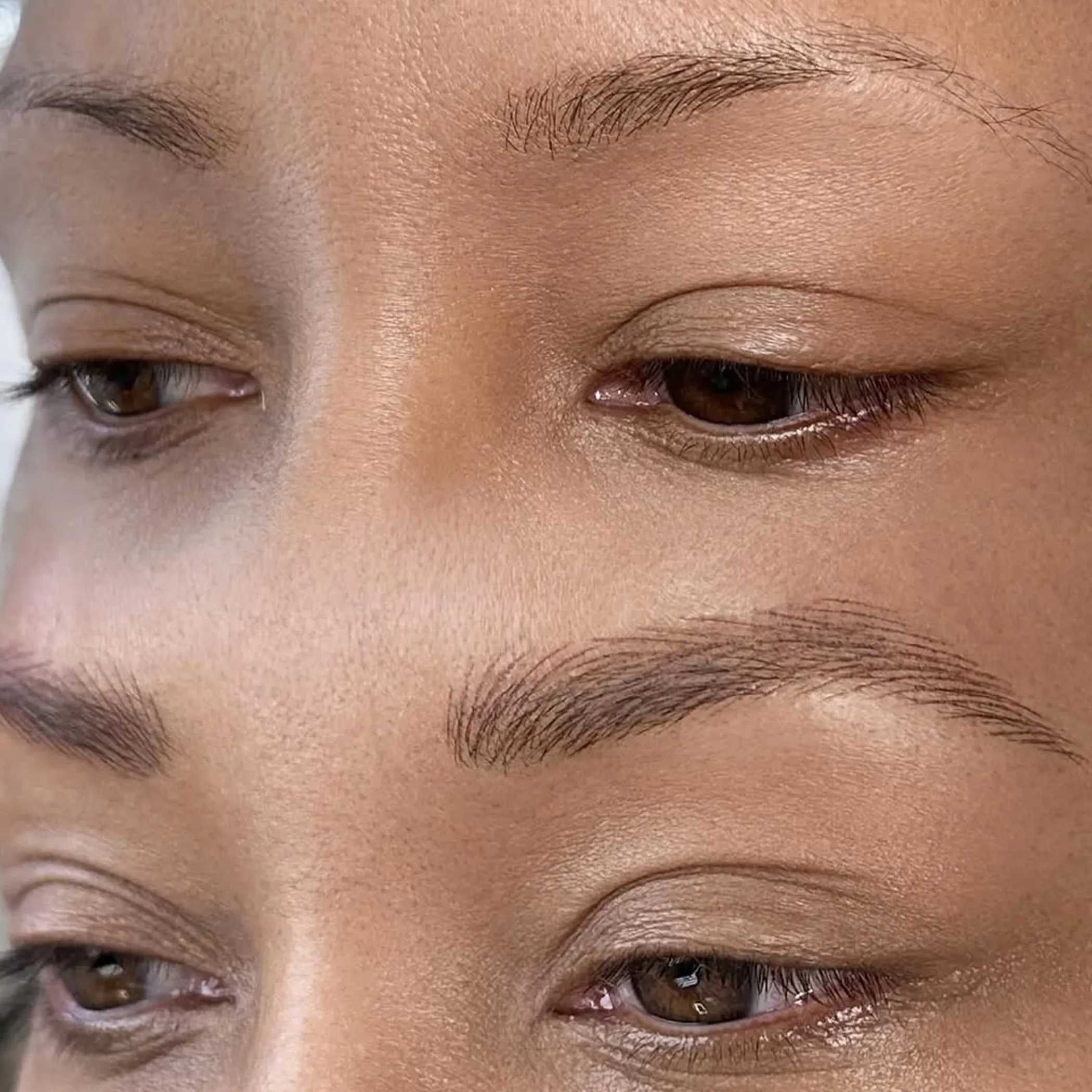
Physical protection will do the work where sunscreen is not an option. It is old-school but effective. This is the high-value side of aftercare with none of the drama: less irritation and heat, and you are away from the sun. Not very glamorous but it works.
The best in low-fuss protection
For brow work a wide-brimmed hat is hard to beat, large sunglasses for eyeliner so long as they do not chafe the area. And you need proper shade, not the sort you get under a small tree at midday, but somewhere the sun is not coming straight back at you off the concrete or water.
Reflected UV is what catches one out. On a ferry or a stroll by the river, or a bright patio, healing skin can be exposed. With lip blush the lips are harder to put out of sight and always on show, making sun protection something of a conundrum.
When to reintroduce SPF
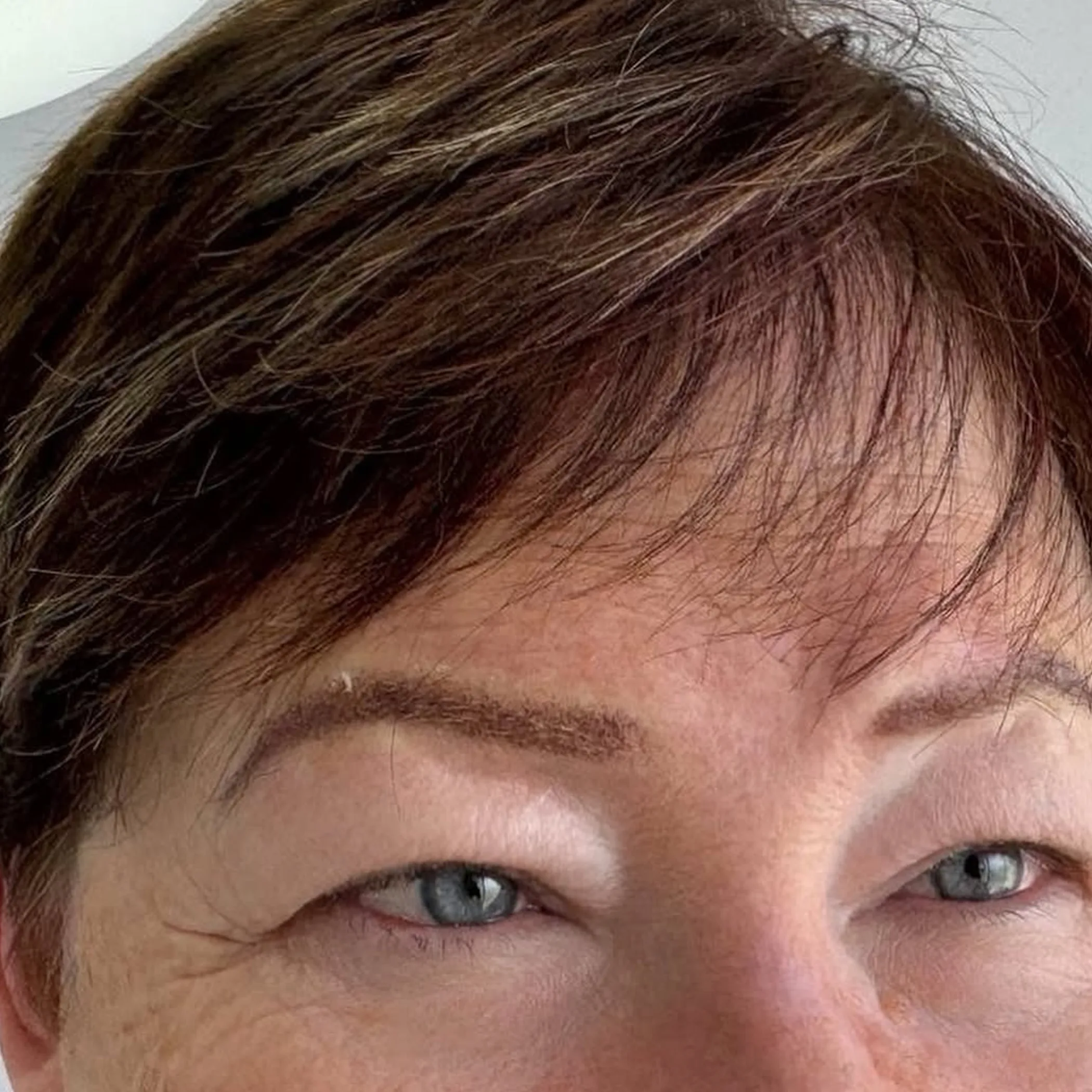
People want to know when they can use sunscreen again. The answer is to wait until the artist deems it all right and the surface of the skin is completely healed.
There should be no raw or shiny patches, no tenderness, nothing to indicate the barrier is still mending. If there is, then wait.
A test of readiness
Wash it and if it stings, or you see some shedding and cracks, it is premature. After microblading it might be 10 to 14 days before sunscreen is suitable for most, though it can be longer with certain skin types or procedures.
Better to put a photo in front of your artist than to take a guess. One should be cautious if you have eczema or sensitive skin. As A/Prof Michelle Rodrigues and her fellow clinicians in scar science and skin healing will tell you, the repair process is biological, not cosmetic; it is not dictated by your social engagements.
SPF selection
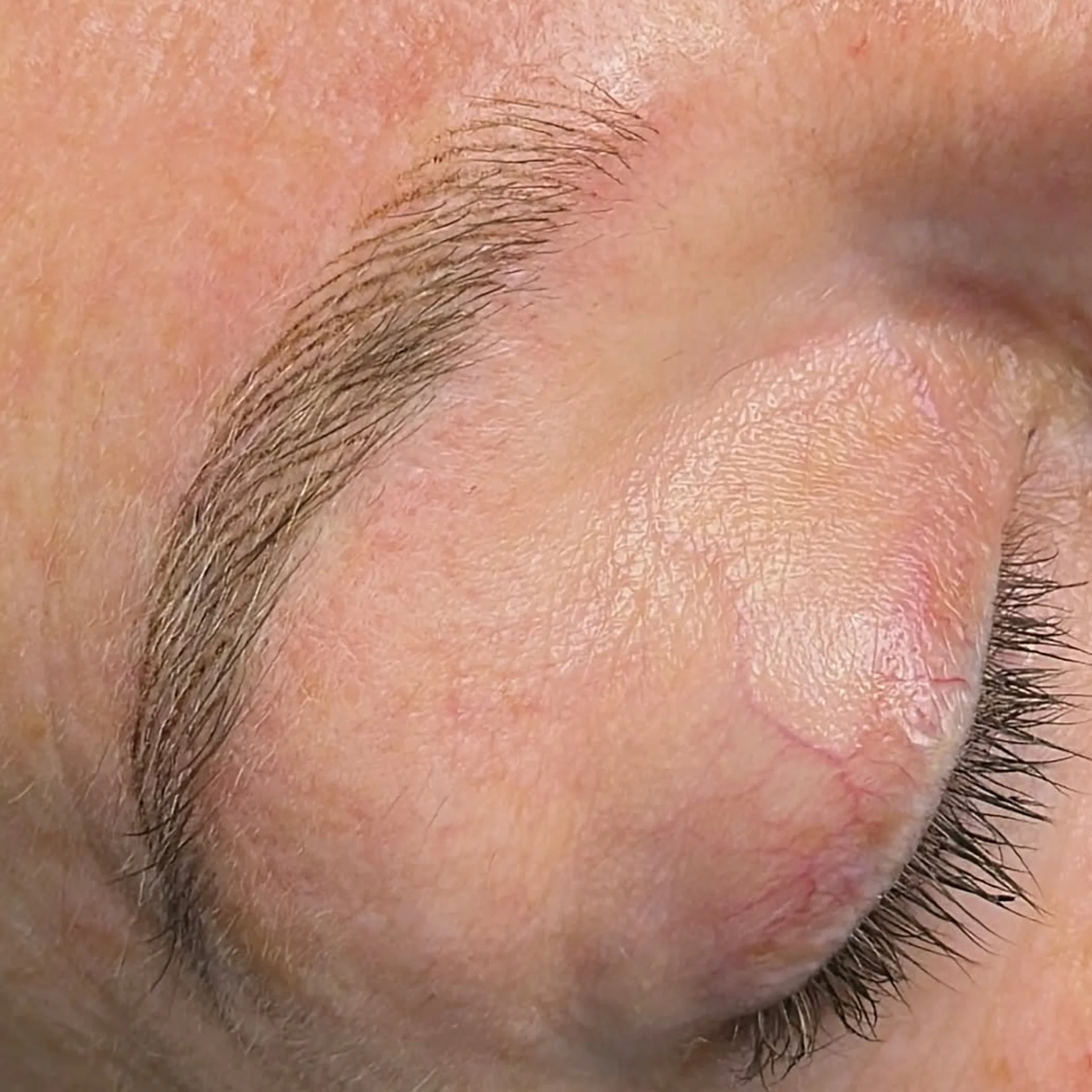
After the skin has healed the objective is colour preservation and a good daily sunscreen will protect your investment.
With a cosmetic tattoo a mineral SPF is often the artists’ choice for the face as it is better tolerated. Not every one is ideal but it is a sensible place to start.
Mineral or chemical
You will find that a physical sunscreen is predicated on zinc oxide and/or titanium dioxide. Such mineral formulas are a staple for those with sensitive skin since they do not have the propensity to sting in the manner of some chemical sunscreens.
When it comes to aftercare for your permanent makeup, you want at least a broad-spectrum SPF 30+, preferably one you can put on without thinking twice every day. UVA is what will fade the pigment in the long run and UVB brings the risk of a burn, so the right care is important. But if a product has an appealing label yet pills or stings to the point where reapplying is unappealing, then it is not for you.
What To Look For
- A minimum of SPF 30+ with broad spectrum
- Mineral or hybrid for any sensitivity
- Fragrance-free, low-fragrance
- Something with a finish you can live with on a daily basis over brows or near the eyes and lips
- Nothing on skin that has not fully healed
In the case of eyebrow tattoo upkeep, a tinted mineral is often useful as it will not be unduly greasy over powder brows or hair strokes. With eyeliner, make sure the sunscreen stays outside the lash line to prevent any migration into the eyes. And for a lip blush, once it is healed opt for an SPF product that is lip-safe; there is no point in using a face sunscreen that will taste bad or irritate.
Tweaks For Different Areas
The sun has a way of finding the weak spot in any permanent makeup and they all heal differently. Edward Ashford would put it simply: you treat the site and not the category. A brow under a fringe is not the same as a lip that has to stand up to coffee, wind and a Saturday at the South Bank.
Some Notes On Brows, Eyes And Lips
In the early days a hat is the best protection for an eyebrow tattoo; they are more amenable to being shielded physically than lips, provided the brim does not rub. Sunglasses should be chosen with care for the eyeliner, ones that do not put pressure on swollen lids. Be more fastidious with lip blush. It is on display and calls for a good SPF balm and frequent reapplication when you are out and about or eating.
Do Not Put It All On The First Two Weeks
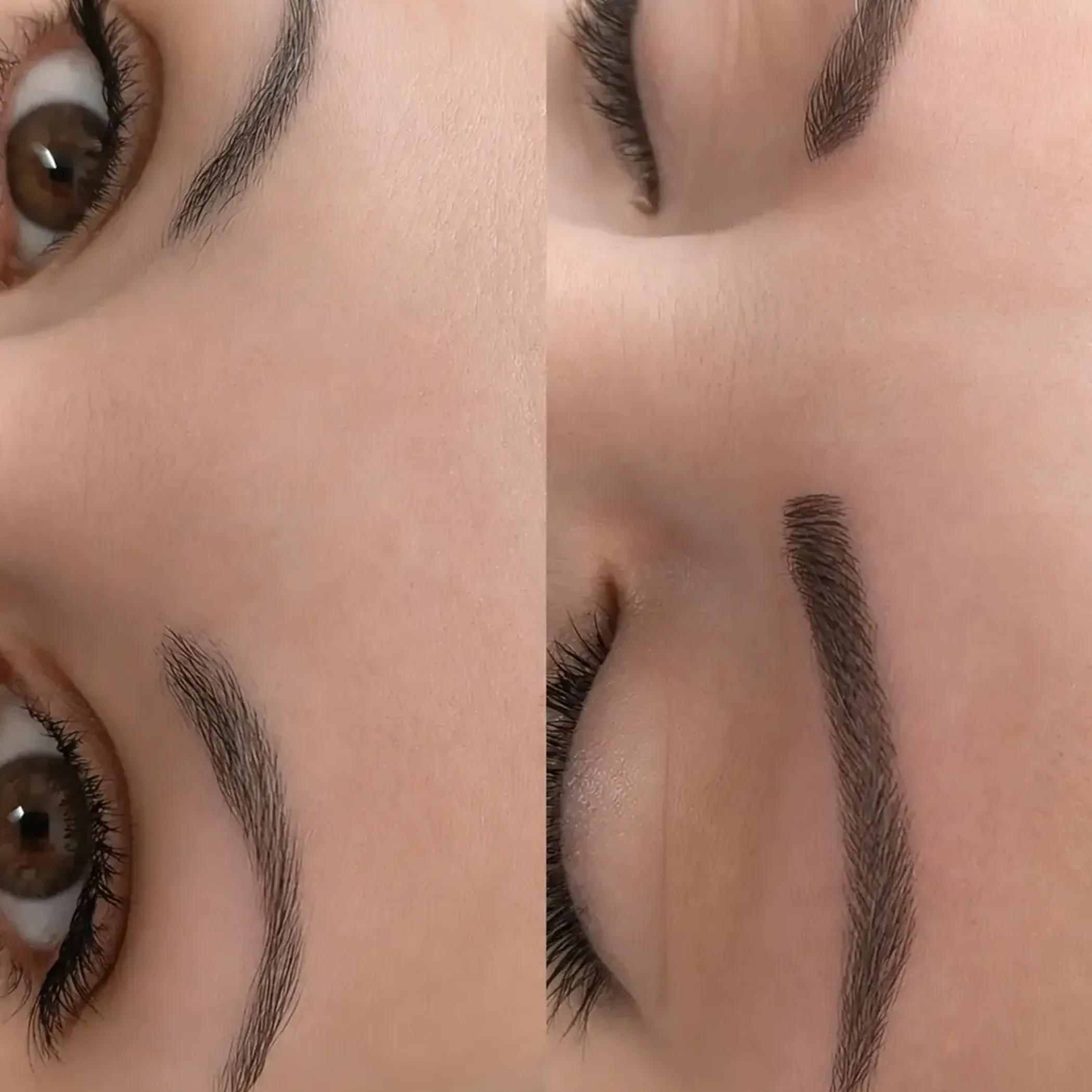
Healing is only part of it. To have a cosmetic tattoo keep its tone and shape you need to be mindful of the UV in the long term. One might assume the touch-up schedule is a matter of technique but the sun is a major lifestyle factor in how quickly the pigment softens.
Preserving Your Results
Make it a habit to use a daily broad-spectrum SPF and hats when the UV is high rather than something you do now and then. In Queensland, WA’s warmer climes or the Top End the Australian UV index is hard enough on you most of the year. If you are driving long hauls, coaching on an open oval or fishing at weekends, expect to require a touch-up ahead of the indoor worker who is assiduous with his SPF. There is no failure in that, it is merely the way climate and skin interact.
A Word Of Advice
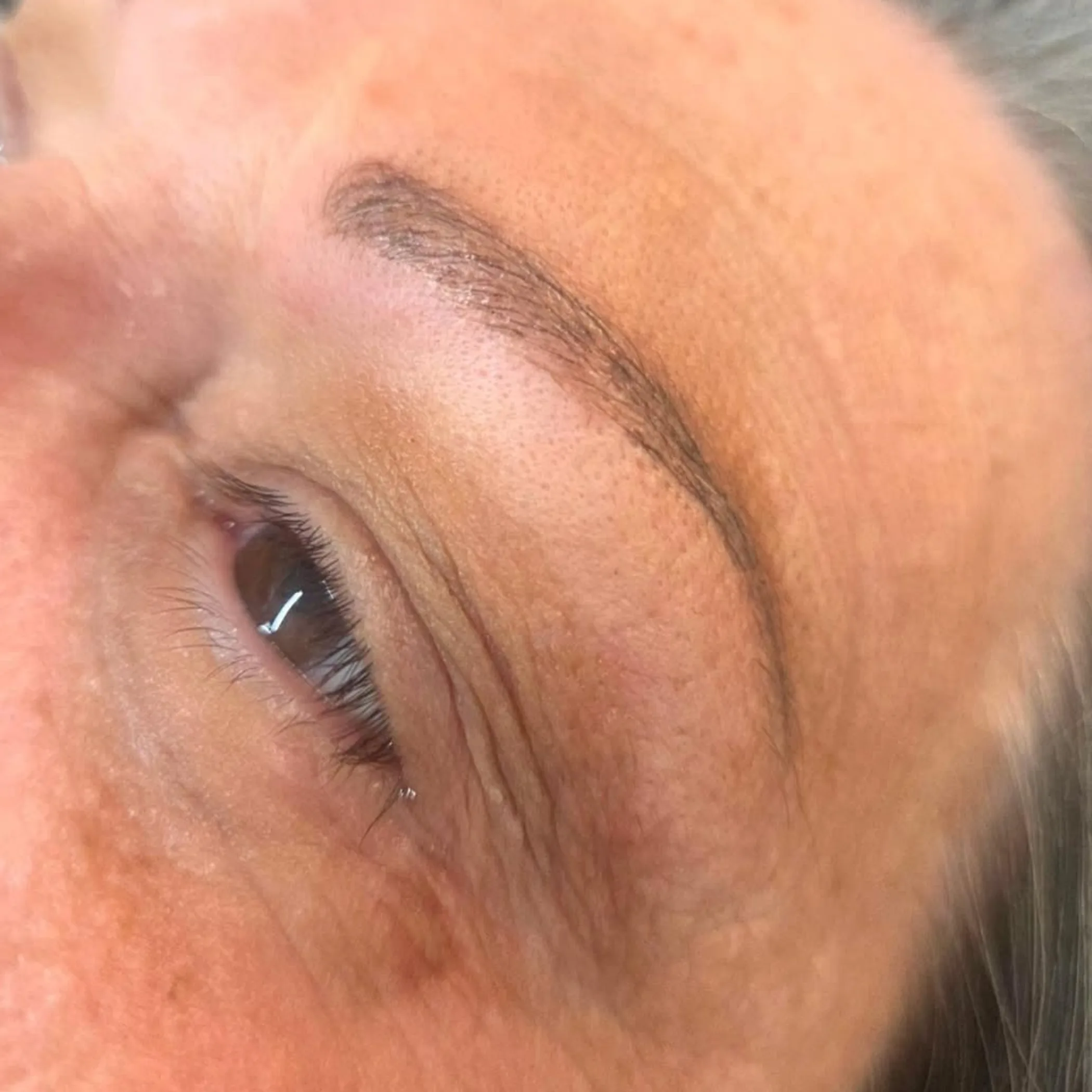
Fresh work requires shade first and foremost. While it is healing, see to it the area is left clean and calm, away from direct UV. After it has done so, a well-tolerated mineral SPF 30+ is what will preserve it. In this country the sun does not muck about so such aftercare is sensible, not fussy. Should your artist proffer different instructions, heed them; they know the placement and your skin history.
FAQ
One asks these questions most often, perhaps while in the chemist squinting at a label or en route to brunch not wanting to spoil a costly set of brows.
Is there a preferred sunscreen post-microblading?
Once the microblading is in the clear, a broad-spectrum of 30+ or above is standard. Mineral types with zinc oxide or titanium dioxide are popular for cosmetic tattoo. Do not put anything directly on fresh microblading in the initial period unless the practitioner gives the go-ahead.
What are the don’ts?
Refrain from sunscreen on newly treated skin, picking at scabs, over-cleaning or putting the area in the way of the sun, tanning or harsh products. Anything that adds friction or moisture while the skin barrier is mending is to be avoided.
When is the healing done?
On the surface it is 7 to 14 days, but for it to properly settle you are looking at several weeks. Skin type and aftercare will dictate the time, as will any residual flaking or tenderness.
How soon can I put on sunscreen after microblading?
Wait until the skin is closed and no longer shiny or tender from the repair process, which for some is 10 to 14 days. When in doubt, put down the bottle and consult your artist.
Will the sun hasten fading?
It can. Unprotected exposure will see the colour soften and you may have to come in for a touch-up before you would otherwise.