
When it comes to birdwatching in Kakadu one should factor in water, weather and how easy it is to get about. Make Yellow Water Billabong, the Mamukala Wetlands and East Alligator River your first port of call; if the park is co-operative you can throw in Ubirr or Nourlangie, or a good gorge walk. The dry season will see you on more amenable roads and pleasant mornings, the wet season has its share of logistical difficulties but puts on a show with the water levels and wetland activity. Choosing the best Kakadu visit period can make planning easier.
My name is Edward Ashford. I like to think I have a healthy regard for weather notices when I am travelling in Australia, map and camera in hand. Kakadu is not some theme park where the birds are put out by the path for your convenience, though it does make allowances for those with patience. Have your binoculars ready, be up early, make sure you can get in and don’t be surprised if a mozzie makes an appearance.
Kakadu Birdwatching At A Glance
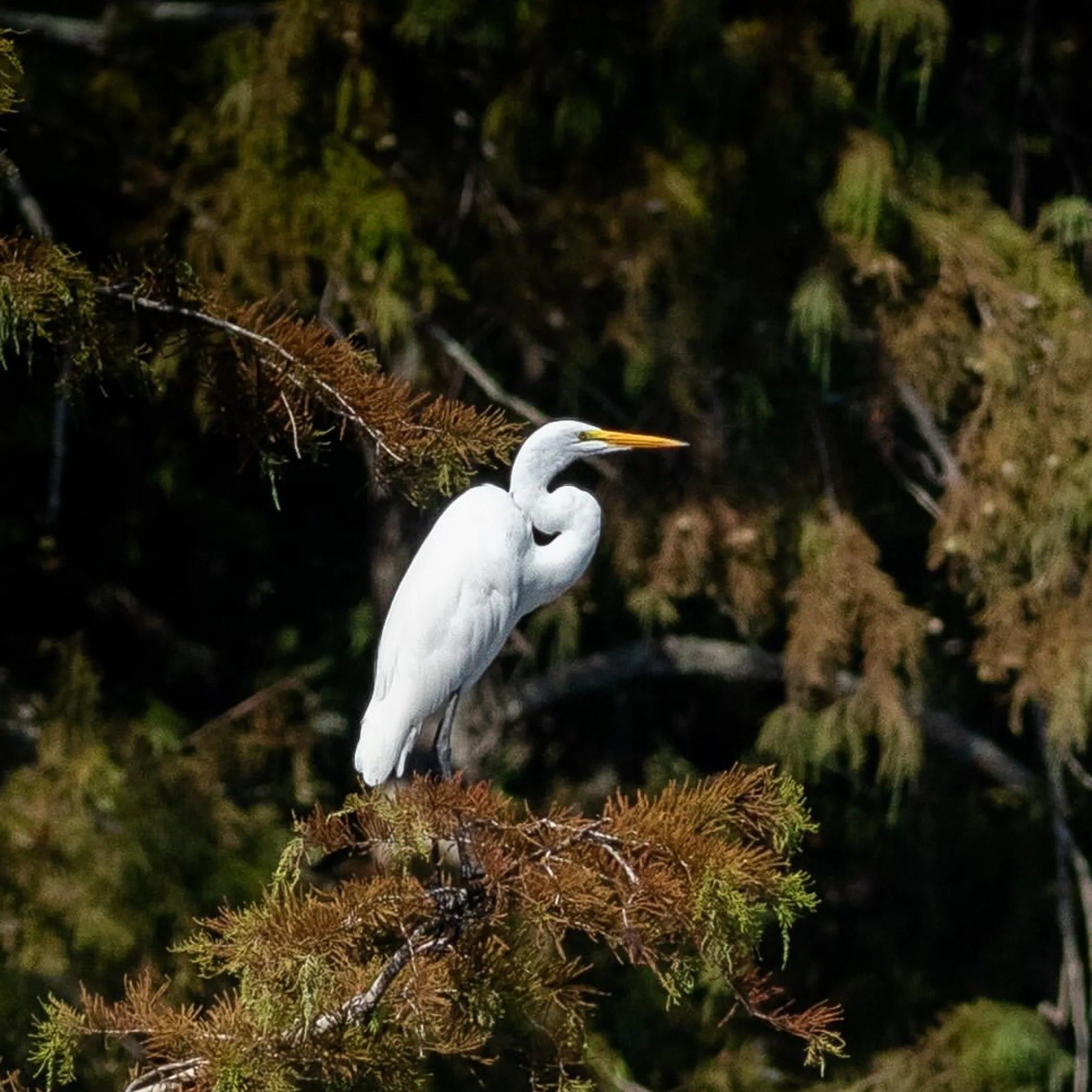
With 20,000 square kilometres and over 280 species on record, the size of Kakadu National Park is as much a draw as it is a hindrance. You might come across some fine birdlife before noon but do not expect to work through all the worthwhile habitat in a hasty circuit.
A sound itinerary will take in the savanna woodland as well as the river edges, floodplains and wetlands. Where you end up is a matter of the season and any recent rain, not to mention whether you are on your own or have signed up for a tour from Darwin.
| Area | Best For | Access Reality | Useful Timing |
|---|---|---|---|
| Yellow Water Billabong | Waterbirds, raptors and the floodplain | Roads are less of an issue in the dry; for a close view from the water there are cruises | First thing in the morning or towards evening |
| Mamukala Wetlands | The bird hide and large numbers of waterbirds | You can be on foot from the car park in no time but the water levels are at the mercy of the season | Early morning, provided the wetland has water |
| East Alligator River | Wetland edges, raptors and the like | Mind the tides and the road; act with due respect for crocs | Before sunset or early on |
| Ubirr | Escarpment and savanna woodland | Uneven ground and stairs on the walk; road access when open | Get there while it is still cool |
| Nourlangie | Sandstone country, cultural sites and woodland | Short walks, some in the shade; heed the signs | Morning or late afternoon |
| Jim Jim Falls and Maguk Gorge | Creek and forest if you can get to it | Four-wheel-drive may be needed or the walking is hard; seasonal closures | Only if your vehicle and you are up to it |
Where to Go
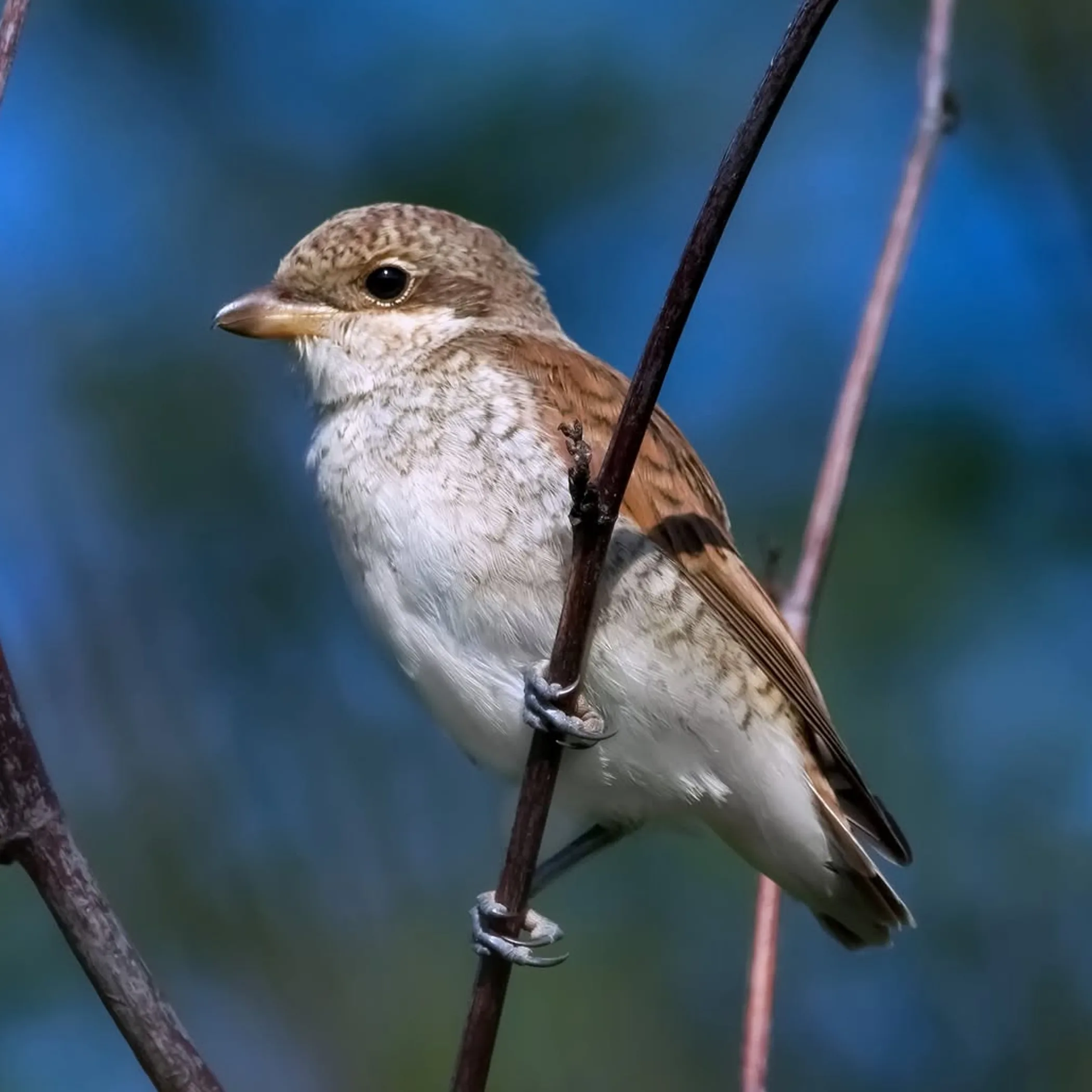
There is a logic to these hotspots in that they present varied habitat without making travel an ordeal. Put in some time in the paperbark forests, open woodland and along the river instead of after one particular well known species.
Do not let the map deceive you as to distance. With the heat, corrugations and the odd stop for a photo or to look at some wildlife what was meant to be a quick drive can easily consume a morning. Be sensible and allow yourself to put in a slow walk and come back before you are too tired to think clearly.
Yellow Water Billabong
It is the place to begin in Kakadu. The light will play tricks on the billabong and you will see herons, egrets, magpie geese, jabirus and raptors in the floodplains that were not there last time.
For a steady vantage point and some local colour a Yellow Water cruise is worth considering. They are commercial affairs with their own prices and timetables so verify what is on offer. A guided excursion from Darwin runs to several hundred dollars a head in Australian currency, whereas to do it yourself you have to put aside for the park pass, fuel and the rest.
Mamukala Wetlands Hide
Here you can make sense of how wetland birds behave. The hide is shaded and when the season is right the open water is thick with them.
Make little noise and keep an eye on the periphery. A raptor will go over and the birds will be off in a group, or they will be feeding in the shallows and reeds. And take some water with you; in the Top End even ten minutes can be something of an ordeal.
East Alligator River
Kingfishers, kites and other river species are to be found among the woodlands and banks of the East Alligator. But safety is paramount here, not the quality of your picture.
One does not just stroll to the edge of the water, in tidal areas or at a crossing. Heed the warning signs and do not cross any barriers. A river with a deceptively calm surface is no reason to put the billy on to boil next to it when saltwater crocodiles are hard to spot.
Ubirr And Nourlangie
For rock art and sandstone country one goes to Ubirr and Nourlangie, but the savanna woodland in their vicinity is good for birdwatching as well. Do not assume you will find birds at the cultural sites; make an effort to look and listen in the cover of shady trees or rocky terrain and along the grassland. An early visit is advisable for the cooler temperatures and to hear the calls without interference. Later in the day, and in the dry season especially, these can be crowded places. Be respectful of the culture: let the significance of the site dictate your birdwatching, not the other way round.
Jim Jim Falls And Maguk Gorge
To put some monsoon, forest and creek habitat on a Kakadu itinerary there is Jim Jim Falls and Maguk Gorge. One might see species here that use the shaded watercourses and thick vegetation, unlike what is found on the open floodplains.
Not every traveller will want to make them a stop. There are vehicle requirements to consider, and recent rain and walking conditions can be factors; seasonal road closures are another. It is best to check the situation before you go. A four-wheel-drive road does not mean the walk ahead will be a simple matter.
Birds To Look For
The range of habitat in Kakadu National Park is matched by its birds. In the wetlands you can come across magpie geese, whistling ducks, jacanas, herons, egrets and the like. Over in the escarpment and woodland a good listener will pick up a call before making out a shape. Then there are the raptors. Kites and eagles can be seen if you put your eye to dead trees and thermals over the floodplains. Have the binoculars to hand but do not make a nuisance of yourself with nesting or feeding birds. A long lens is of use, but patience is free and will do the job.
Wetland And Woodland Species
At Yellow Water and Mamukala, birds are to be seen from the paperbark forests and reeds to the open water. While large flocks present themselves, smaller ones are more readily located by tracking movement at the wetland’s edge. Savanna woodland requires you to put an ear to the ground for repeated calls and have a good look at the branches overhead. The heat has an effect on the birds’ behaviour so a midday stroll will not be as productive as something done in the cool of dawn. They have not gone anywhere, they are just better at it than you are.
Migratory Visitors
Seasonal variety is provided by migratory birds in the coastal-influenced and wetland areas of Kakadu. Rainfall and water levels will determine how many are about, so do not take a species list as your word for it. A field guide or app will sort out identification, but it is worth noting the date, location and habitat of what you have seen. “Large brown bird near water” is a note I have made in a rush, but it is not very useful.
Birdwatching In Kakadu By Season
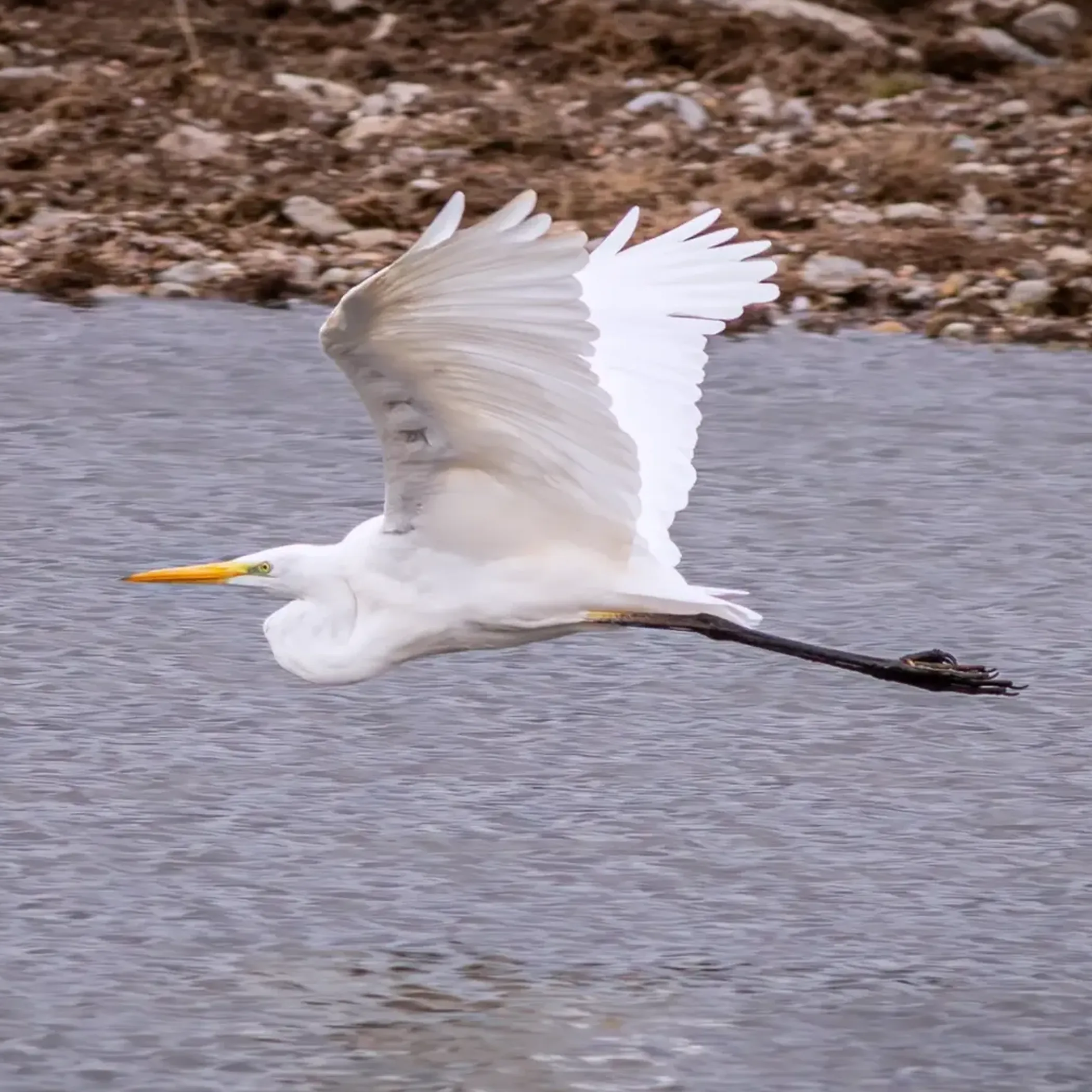
There is no single month in Kakadu that suits all tastes. The dry season is the more predictable option for getting around the park. The wet season has its own attractions in the way of active wetlands and fine vegetation, but also storms, humidity and roads that are less forgiving.
If self-drive and access are the order of the day, the dry season is the choice. For those who can stand variable conditions and want to witness the water systems in full flow, the wet season is preferable.
Wet Season Conditions
Monsoon rains and thunderstorms are part and parcel of the wet season, as are the high humidity and roads that change on a whim. Walking routes and river access may be dictated by water levels and some attractions put out of bounds. After a rain the birding can be excellent on the floodplains, but this is not the dry season with a bit of added drama. You will want a flexible approach, the right clothes and the information to back it up, and if the park staff say to turn back, you should.
Dry Season Advantages
A first time in Kakadu is easiest in the dry season. Mornings are not so hot and it is not difficult to get to Ubirr, Nourlangie, the Mamukala Wetlands or Yellow Water. Popularity is the price you pay. At the most convenient hour car parks and cruises are full and accommodation is at a premium; viewing spots can be as tightly packed as sardines. Book in advance and be up and about early.
Shoulder Season Trade-Offs
Between the wet and dry is a reasonable compromise, if not as reliable. Heat or a storm and lingering water can put a spanner in the works even as some roads begin to open up again.
Do not rely on what a guidebook has to say as to park access, make an enquiry on arrival. You will find a local update of recent vintage more to the point than a plan put together with some confidence from road conditions of the previous season.
The Right Time Of Day
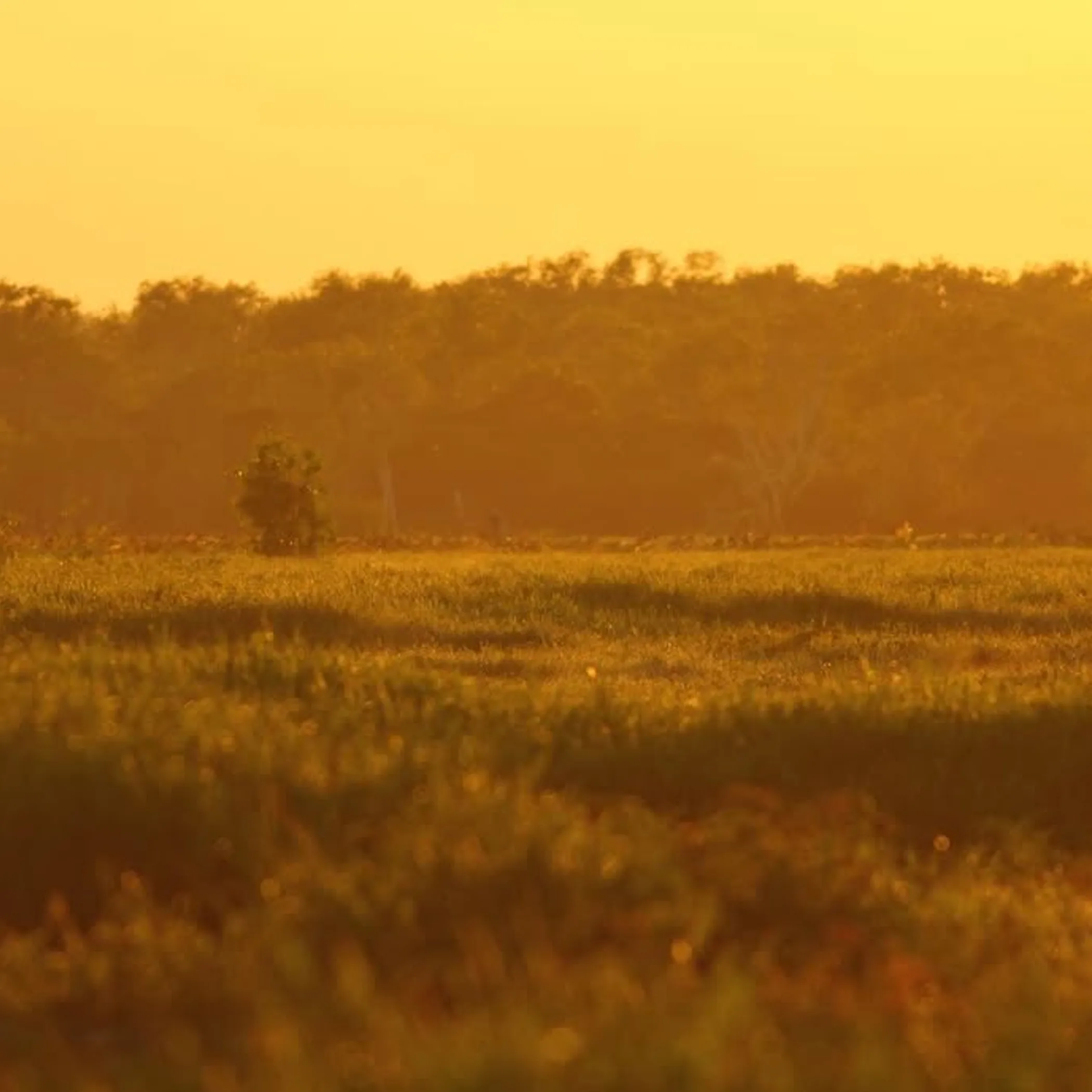
For bird behaviour that is active and a walk without strain, dawn is generally your best bet. If you can, be up before the sun so as to get to a vantage point in good time; there is no need to put on speed down unacquainted roads in the dark. The late afternoon is equally good in the vicinity of billabongs or open floodplains. But do not tarry after dark unless it is part of an organised outing and you are cognisant of the risks in the area. Midday is the most unforgiving for any serious birdwatcher with the heat and glare and the fact one is tired.
A Morning To Be Practical About
When self-driving, resist the urge to cover the entire park and settle on a wetland and a habitat close by. Make sure you have left Darwin with sufficient fuel and provisions and then factor in parking, a toilet break, short excursions and whatever wildlife may present itself. In my experience the error is not having failed to put in an appearance at some well known lookout but underestimating the drive back after a morning of “one more stop”. One does not put together a schedule in Kakadu with the assurance of a city tram timetable.
Planning A Trip For Birding In Kakadu
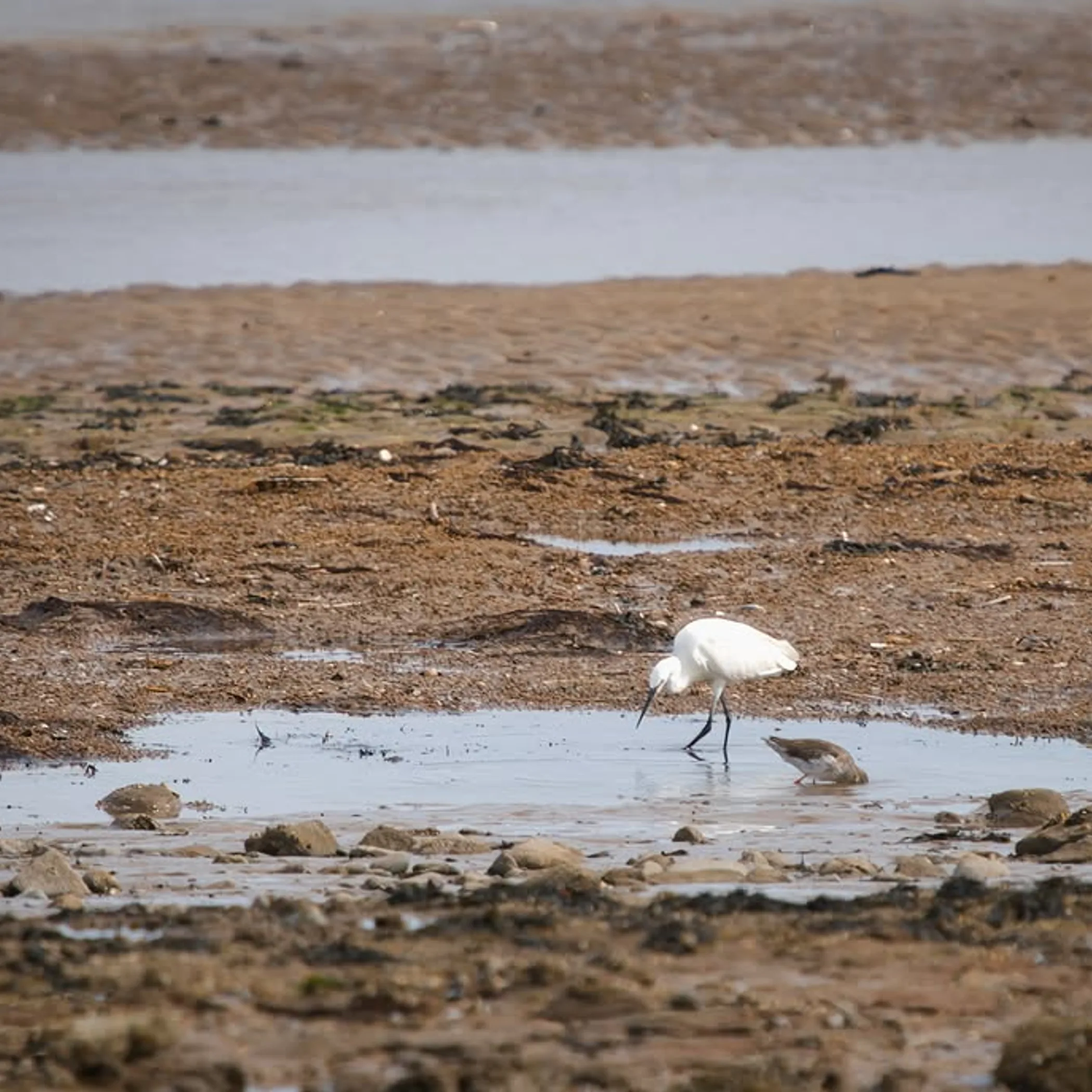
To see more and be safe, plan accordingly. Be it a day of self-drive, a specialist guide, something more extensive out of Darwin or a Yellow Water cruise, put a plan in place that fits the vehicle and the season.
There are tours in Kakadu for the novice, for those without the right car or who would like assistance with identification. An experienced guide will pick up on a raptor at a distance or some calls and tracks a first timer might not. Look over the departure times, what is included, the walking involved and cancellation policy before you book.
One-Day Plan
Make Yellow Water or Mamukala your priority in the morning. If the driving and heat allow, Ubirr or Nourlangie could follow. There is no point in trying to hit every major site. You will be better served by a less ambitious plan that affords you time to watch than a grand tour done with all the urgency of a fire drill.
- Prior to leaving, give thought to park access, any seasonal road work, the weather, your accommodation and supplies.
- What to take into the field: binoculars, a hat, insect repellent and sun protection, sturdy shoes, water and a phone or camera. Have paper directions as a backup.
- And for the sake of respectful travel, keep to the marked track, do not feed or go near wildlife and leave cultural sites be.
On Transport And Costs
You have the freedom to self-drive but the route demands a capable vehicle and some forethought with fuel. While a hire car will do on the sealed roads, there are places where an ordinary vehicle is out of its depth. What you will pay depends on how you travel and the season. Put aside money for the park pass, a cruise, your meals and vehicle hire from Darwin. Fees and permits are subject to change so check with Parks Australia’s official Kakadu National Park information ahead of time.
Respect Access And Your Safety
Risks in Kakadu are there to be taken seriously, not to be brushed aside for a photograph. Dehydration, crocodiles, storms, fires and long distances are among them. Heed the ranger and the signs, have more water on hand than seems necessary and if you are going off the beaten track let someone know where you are headed. There is only so much mobile coverage to be had, hence one should not put all one’s emergency or navigational plans in the hands of a phone.
Visitors Tended To Be Surprised By
It is common for visitors to view a wet-season closure as an annoyance, when in fact it is for their safety. They are also wont to underestimate the vagaries of the weather, how exhausting soft ground can be and the distance to be covered for food and fuel.
Heed any warnings and do not swim where you are told not to or go to the riverbank for a vantage point. Stay out of closed areas. Should a path prove too arduous, hot or wet for your party, make other arrangements; a rescue operation will do neither the bird nor your companions any good.
The Kind Of Traveller Kakadu Is For
Those with an inclination for long drives, early rising and a plan that can be adapted will find Kakadu to their liking. It is well suited to naturalists, photographers and families at ease with some heat and walking, as well as anyone prepared to forgo instant certainty in exchange for a wider range of habitat.
If one requires cool temperatures all day, attractions on a tight timetable or assured accessibility, this may not be the place. There are short walks to be had, but then there are those with sand, stairs, uneven terrain and seasonal variations. Verify the conditions first.
Some Questions Asked
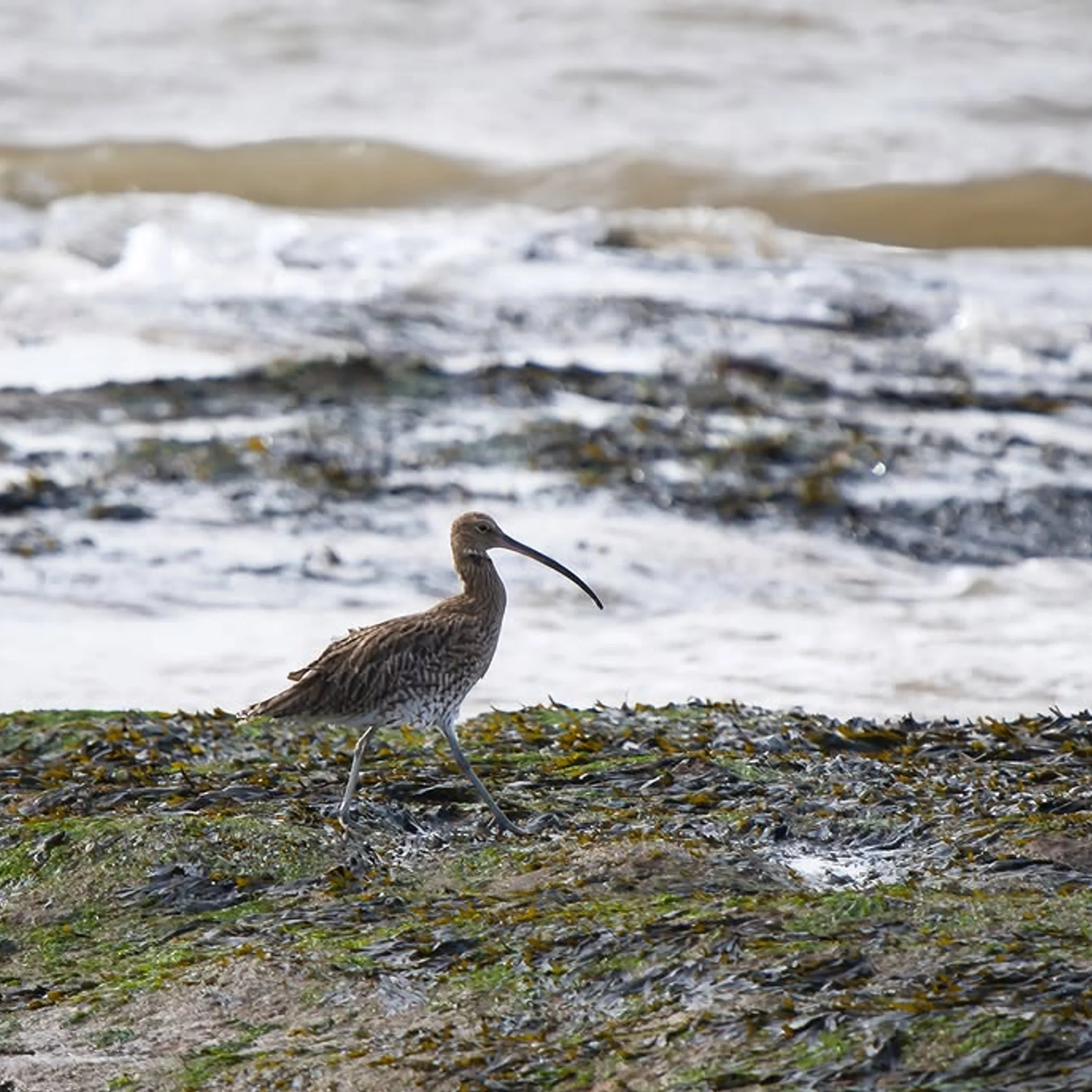
What time of year is best for birdwatching?
For the most part the dry season is the easy option, being more comfortable in the mornings and with park access you can count on. The wet season has its merits for wetland activity, though you have to be more accommodating of the road conditions, humidity, storms and closures.
Where to see birds in Kakadu?
Waterbirds and floodplain habitat are to be found at Yellow Water Billabong and the Mamukala Wetlands. For the river, sandstone and woodland environments try Ubirr, Nourlangie or the East Alligator River, if access allows.
What sort of birds are in the National Park?
Kakadu is home to over 280 species on record. One might come across raptors, kingfishers, woodlanders and waterbirds in the form of egrets, herons, jacanas, ducks and magpie geese. But what is seen is a matter of patience, rainfall and the season.
Wet or dry season?
You could not say one is better than the other. The dry offers broader access and roads that are easier to negotiate; the wet gives you a more varied experience with active wetlands and verdant scenery. See what the conditions are before you set off.
Can I book a tour?
Guided tours and cruises on the Yellow Water are on offer from operators in Darwin or Kakadu, subject to the season. Put in a booking after ascertaining the cost, vehicle access, cancellation terms and the like.
Birdwatching provisions
A field guide or app, binoculars, a hat, insect repellent, sun protection, sturdy footwear and light clothes are in order, as well as snacks and ample water. A charged phone is fine to have but have a printed backup or offline directions at hand since reception is not to be trusted.
In Praise Of Quiet
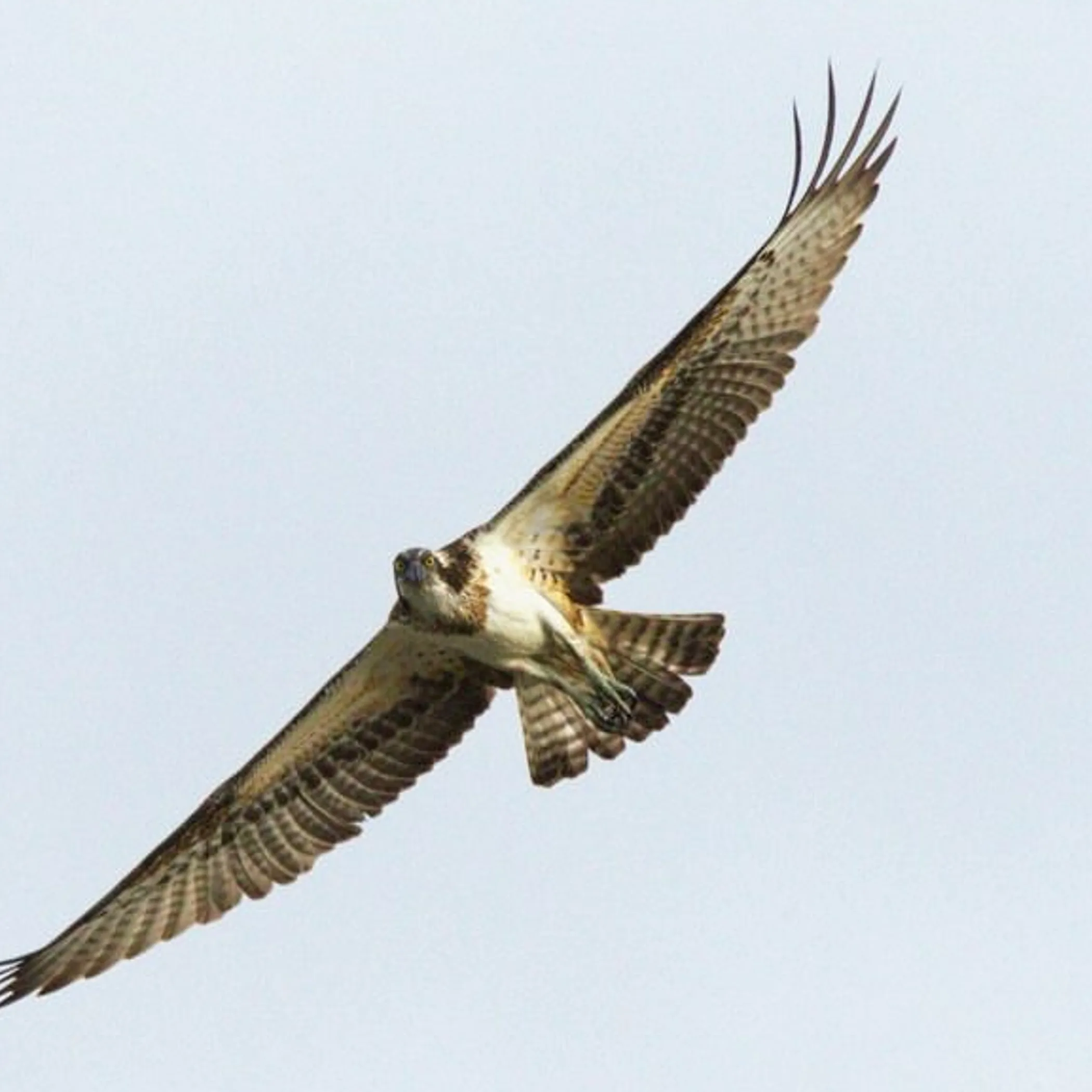
One does not make the best of a day in Kakadu by compiling the longest checklist. The finer days are those spent in a hide before the heat comes on, listening to a bird and taking in the way the landscape is defined by the weather and the water.
Let each habitat have its time and be flexible. The birds in Kakadu will put in an appearance when they choose. All that is required is for you to be present, with your binoculars and water and the sense to leave a crocodile be.