
There is little ambiguity in the Australian guidelines on the matter: if one is a smoker, vaper or user of any other nicotine product, the surgical team should be made aware at the earliest opportunity and cessation is to be put in place well before the operation date. In the field, you will find most clinicians in Australia will put pressure on patients to have 4 weeks of abstinence before an elective procedure if they can, for the better lung and wound results that come with it. Even a late stop is of some benefit.
I am Edward Ashford. Some subjects do not lend themselves to the sort of language you find in a brochure; it does a patient no good. They are after a direct answer, as are health professionals who need something to work with at a GP review or preadmission clinic. Put simply, nicotine use ahead of elective surgery is taken seriously across Australia since exposure from smoking and so forth has an impact on effects of nicotine on healing, blood flow, postoperative complications and how a wound heals. That said, advice will vary depending on the anaesthetist, surgeon, the procedure and the use of any replacement therapy to aid in quitting.
What The Current Advice Means

For those wanting it in plain English, here it is. It is possible to go ahead with surgery while using nicotine but your risk profile is elevated and a surgeon may put off an elective case until you have been off it for the requisite time.
A common misconception is that only cigarettes are of concern. Not so. The perioperative view is wider than a packet of smokes, which is why Australian preoperative guidance has clinicians inquiring more and more into vaping, nicotine pouches and NRT as well as smoking.
Why One Makes A Distinction
Then there is the question of what does the harm. Combusted tobacco is problematic for the airways and for its nicotine, carbon monoxide and oxidising chemicals, making it the top worry when it comes to respiratory and wound issues. Vaping presents its own set of concerns with airway reactivity and what is in the device, not to mention the nicotine. Oral products and NRT are less of an issue than smoking but must still be put on the record.
Australian and New Zealand College of Anaesthetists (ANZCA)’s perioperative practice and materials are in favour of a thorough risk assessment and early referral for cessation support over just hoping for the best. The Royal Australian College of General Practitioners (RACGP) is of like mind, backing evidence-based treatment in primary care, pharmacotherapy included.
Slower Healing And Why
The medical rationale for stopping is straightforward. After an operation tissue requires oxygenated blood to mend. Nicotine constricts the vessels and with smoking you have carbon monoxide and other toxins cutting off the oxygen supply at a critical juncture.
Surgeons are not being fussy or moralising when they speak of nicotine’s effect on healing. They want to know if a flap is going to live or an anastomosis will hold under strain, if the edges of a wound are going to knit.
The Body’s Response
Nicotine brings on vasoconstriction, limiting blood flow to the area. Smoking up the inflammation and hampering oxygen transport can spell trouble in the form of infection or even dehiscence and anastomotic leak in certain operations.
And there are the respiratory complications. Anaesthesia and poor lung function mix badly with the sputum production and airway irritation that smoking causes; expect a rougher recovery with more chest problems. The Medical Journal of Australia (MJA), Tobacco in Australia (monograph) make short work of the higher risks for smokers.
Which Products Are Included
Here expectation and reality tend to diverge. People will put down the cigarette and think nothing of a vape or a nicotine pouch or put in a request for some Nicorette before surgery.
To a clinician all sources of nicotine are relevant. While the risk is not the same from one product to another, failing to declare it can throw a spanner in the works, particularly in vascular, plastic or orthopaedic surgery where perfusion of the tissue is key.
Cigarettes And Rollies
With traditional smoking you have the nicotine plus the by-products of combustion, so it is the highest risk. The recommendation is to quit in full and as soon as you can. And if you have a lapse, let the team know. Patients are the source of half the trouble, with a tendency to believe “it won’t count” for one or two cigarettes. In fact it does.
Vapes And E-Cigarettes
There is nothing harmless about vaping in the run up to surgery as some might suppose. An e-cigarette will not have smoke but nicotine can still be had and the airways may be impacted. Anaesthetists have become more attuned to them of late since patients are apt to leave them off the record, especially when they do not see themselves as smokers.
Pouches, Lozenges, Gum And Patches
One should put forward any use of nicotine pouches prior to surgery. This goes for gum, lozenges, sprays, inhalators and patches in the way of NRT too. There is a certain nuance at play: while NRT is frequently viewed as the better option to smoking by way of perioperative cessation, being without the extra harm of combustion, whether to keep using it until the procedure is a matter for the operation itself, the hospital’s policy and what the surgeon or anaesthetist says.
When To Stop Properly
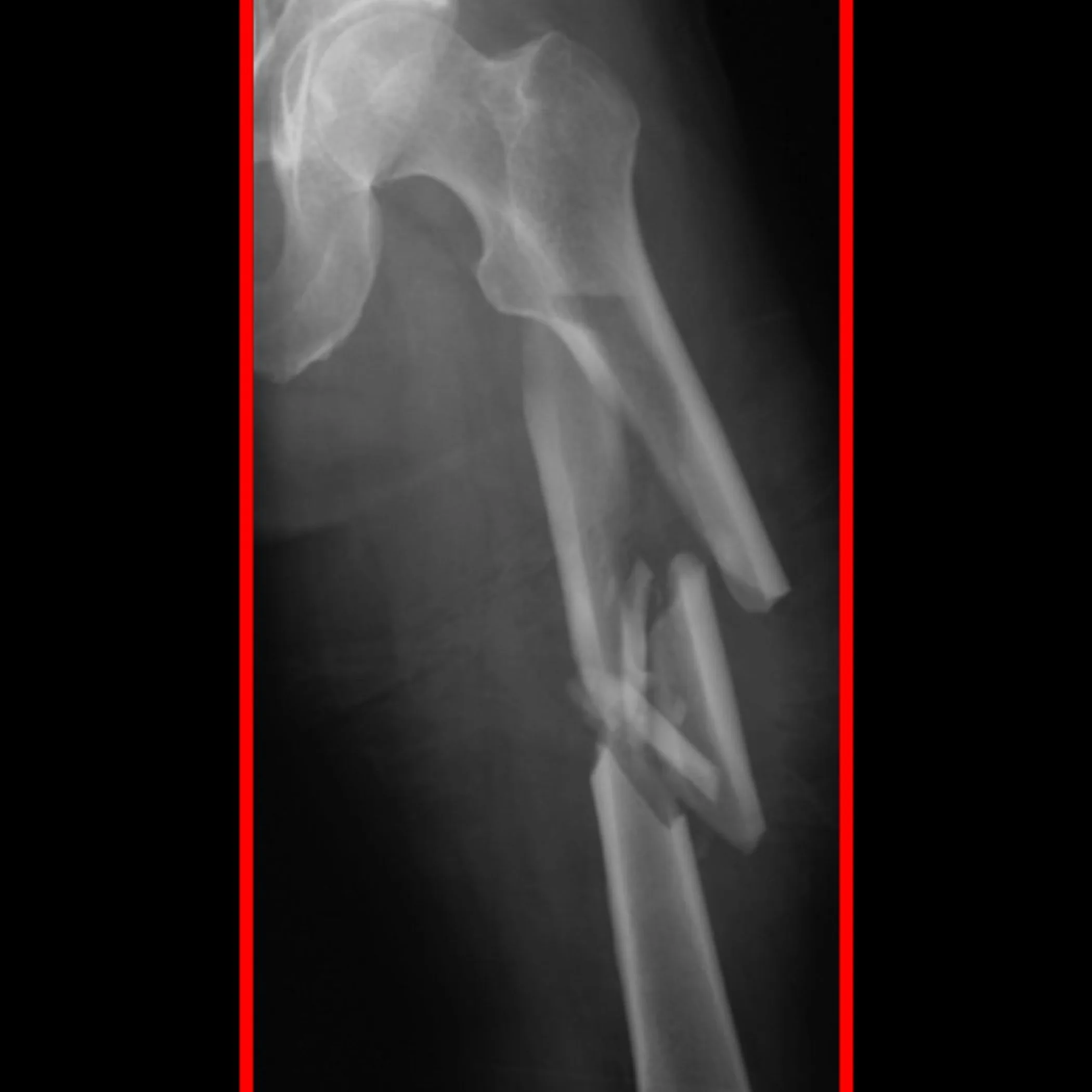
I am usually asked how long before surgery one ought to stop rather than if there is any point in doing so. The truth is the sooner the better; 4 weeks or more is the usual recommendation for any real reduction in risk, and longer where you can. But it is no cause for despondency if that is not possible, akin to missing the train by 30 seconds. Some abstinence, however brief, will see oxygen levels improve and carbon monoxide exposure come down, which is of benefit to perioperative care. If the date is near at hand, make the effort to stop.
Timing By Product Type
For a working summary the table below is useful to clinician and patient alike, though it cannot stand in for instructions on a particular procedure, particularly in high-risk specialties or where hospital policy is more stringent.
| Product | Main Perioperative Concern | Usual Practical Advice | What Catches People Out |
| Cigarettes | Respiratory complications, poor healing of wounds, less oxygen delivery | 4+ weeks before elective surgery is commonly put forward; do not wait | To think cutting down amounts to stopping |
| Vapes / e-cigarettes | Airway irritation, nicotine, what is in the device | Under team advice, put an end to it and be open about it | The notion that it is “not smoking” |
| Nicotine pouches | Vasoconstriction from the nicotine, issues with perioperative planning | Make your team aware and adhere to procedure-specific advice | An assumption oral products are of no consequence |
| NRT gum / lozenge / patch | You are still getting nicotine but at lower risk than with a cigarette | Aid to cessation; check with the anaesthetist or surgeon if you should carry on to the day of | Relapse to cigarettes after putting the NRT aside |
You will find the “3-3-3 rule for smoking” bandied about on the internet. Do not mistake it for a national rule; it is not one endorsed by ANZCA, RACGP, WA or Queensland Health. Should a surgeon or hospital have a local protocol to that effect then by all means follow it.
Preadmission Questions That Matter
Do not regard preadmission clinic appointments as a nuisance. They are there to head off risk before it is a problem on the day. A proper account of nicotine use can alter plans for discharge support, wound management and anaesthesia.
Clinicians would do well to be more specific in their screening. Simply to ask “Do you smoke?” is to miss vapes, an occasional social cigarette, over the counter NRT and the like. It is boring but effective.
What Clinicians Should Ask
Any good perioperative screen will include roll-your-own, cigars, e-cigarettes, pouches, patches, gum, lozenges, sprays and inhalators as well as cigarettes. And when was it last used, what the daily intake is, if the patient has any intention of quitting and the likelihood of withdrawal while admitted.
As for the patient, be honest to spare yourself some grief. Put it to your GP or specialist or the preadmission clinic and do not put it off till you are in the gown at the admissions desk with someone coming for the compression stockings.
Managing Nicotine In Hospital
Good intentions have a way of faltering once inpatient. A patient may have given up before the operation only to find himself battling cravings on the ward, or be put in earlier than expected with no quit plan in place.
Perioperative management is most effective with a plan, be it withdrawal monitoring, NRT if the clinical situation warrants, and open lines of communication between the patient and the nurses, anaesthetist and surgeon.
Why NRT Can Still Have A Role
Is Nicorette permissible before surgery? Under your treating team’s guidance, sometimes. In a lot of cases it is deemed safer than to go on smoking, what with the absence of combustion toxins and carbon monoxide, even if the nicotine is still there. It is really down to the surgeon and the kind of surgery involved.
There is a place for nuance in care. One might be better off than with an across the board “we ban all nicotine” policy that could drive a patient to cigarettes; or conversely, an “NRT is of no consequence” stance is hardly suitable when a procedure demands good tissue blood flow. What is required is sound medical advice as opposed to guesswork.
Support That Actually Helps
It is simple enough to say to someone they should quit. To see them through it when they have surgery on their mind is quite different. In Australia the way to go is to offer treatment options and follow-up suited to the individual, not what is in the pamphlet, along with some straight talking.
Take the surgery date itself. For a lot of patients it is a powerful incentive to put up with a certain amount of short-term bother for something tangible and right there in front of them: a recovery without complications and one that is less arduous.
Practical Treatment Options
Where called for, RACGP will back the use of pharmacotherapy alongside behavioural support to bring about cessation. An Australian practitioner may put forward NRT or a prescription once he has made an assessment for any contraindications or interactions. Then there is Quitline, perhaps the most readily available form of help when a patient does not want to wait until three weeks post-discharge.
Patients can contact Quitline (13 7848) for counselling and practical quit support. For more general advice on the subject, the Australian Government guidance on quitting smoking is a dependable resource. It makes plain the long and short term health benefits of giving up, something of import in the run up to an operation.
What The Evidence Shows
The perioperative literature does not need a theoretical risk chart to make its point. A review of the evidence will show smoking to be associated with more respiratory trouble and inferior wound healing in the wake of surgery.
You will find the same trend in any discussion of smoking and surgery in Australia, and while the degree of risk will differ from one operation to another, it is of practical significance. The more the success of the surgery hinges on a clear airway and adequate oxygenation of the tissue, the more pertinent the subject becomes.
Key Risk Patterns
Compared to non-smokers, smokers are prone to more postoperative issues of a respiratory or wound nature.
Abstinence for a period before the operation, four weeks being a clinical target if the timing is right, tends to yield better results.
And while NRT is viewed as preferable to the act of smoking and can be of assistance in the perioperative setting, the treating team should be part of the conversation.
Such is the consensus of the Association of Anaesthetists guidance, Australian perioperative practice, and sources such as Tobacco in Australia (monograph) among others. Studies and specialties will give you different percentages so it is wiser to talk of a consistent increase in risk than to put a single figure on every case.
How To Prepare Sensibly
For the clinician, carer or patient looking for a workable script and nothing else.
With a pre-op appointment a day away, do this first: make a note of each nicotine product and the last time it was used. I would say that alone will save you from half the confusion in elective surgery planning. There are no midnight oaths of heroism here to be put out of mind by the time you have your breakfast.
A Pre-Surgery Checklist, Plain and Simple
Be forthcoming with your GP, surgeon, anaesthetist or the preadmission clinic as to what you put in your system, be it a cigarette, vape, gum, lozenge, spray, inhalator, patch or pouches.
Do not make the mistake of thinking there is a one size fits all rule; enquire as to when you should discontinue each product prior to your procedure.
Put an end to smoking at once if you do, surgery or not. Any benefit is preferable to none. And put in a word about NRT to see if it is advised to keep you from smoking before you are admitted.
Keep 13 7848 on hand in your phone for those times a craving has you flustered.
Then on the day of admission, make sure to reiterate any nicotine use of late. Old notes can only be trusted so far to be in front of the right person.
This is of particular import for those undergoing plastic, orthopaedic, vascular, abdominal, head and neck or dental work where tissue repair and blood flow are of consequence. As for guessing, everyone would be well advised to refrain, but in truth it is those who use more than one type of nicotine product who are prone to under-reporting their mixed habits.
Common Questions
The sort of questions that are asked in reality, not the ones concocted in some marketing office. One can forgive it; there is stress enough in surgery without having to parse ambiguous counsel.
Is Surgery an Option When You Use Nicotine?
In some cases yes, though the surgeon’s policy and your risk profile will have a say, as will the nature of the operation. An elective procedure where wound healing is paramount could be put off until you have observed the recommended abstinence period.
What of the 3-3-3 Rule for Smoking?
You will not find it in any national Australian guideline. Should a hospital put that term to use locally, let them put you straight on its meaning for your procedure instead of going on hearsay.
Nicotine Pouches Before Surgery?
Make your team aware of them. There is no tobacco smoke involved but the nicotine can still have an impact on blood flow and perioperative planning.
And Nicorette?
Your treating team will make the call on whether you can have it before surgery. While NRT is often a better option than smoking, they have to weigh it against the requirements of the operation and the hospital.
How Long in Advance of an Operation Do I Have to Stop?
Safest to do it as soon as you can. With elective surgery four weeks or more is the norm where you can, but to stop at all is better than to carry on.
Edward Ashford’s View

To put it in practical terms: leave the word games with nicotine aside before you go in for surgery. Vaping, NRT, pouches and smoking should all be part of the same discussion despite the fact the risks differ.
I have found the best results stem from being honest and getting support early on, no posturing required. Tell the team what you are using and get clarity on what and when to stop. It gives your body every chance of a good recovery and to see you through the operation unencumbered.