
It is the seasonal weather that will determine if one has a good session at an Australian skate park or an unsafe, slippery and tiring one. Rainfall, humidity, UV and extreme heat are not the only factors; there are also storms, flooding and bushfire smoke to contend with. All of these bear on how open-air parks are used, the rate of surface wear and tear and what councils have to do in the name of public safety.
Edward Ashford here. One does not have to travel far around Australia over the years to see that the weather seldom puts an end to your plans in any dramatic fashion. It is more subtle in its way. By midday the concrete is too hot to be on, a storm drain has backed up or you find a park that is usually quiet is full of people who made it there at first light. To deal with the weather in Australia you need a sensible method: put some stock in the forecast, look at the surface and be ready to call it quits when the time comes.
In What Way Does Weather Affect The Park?
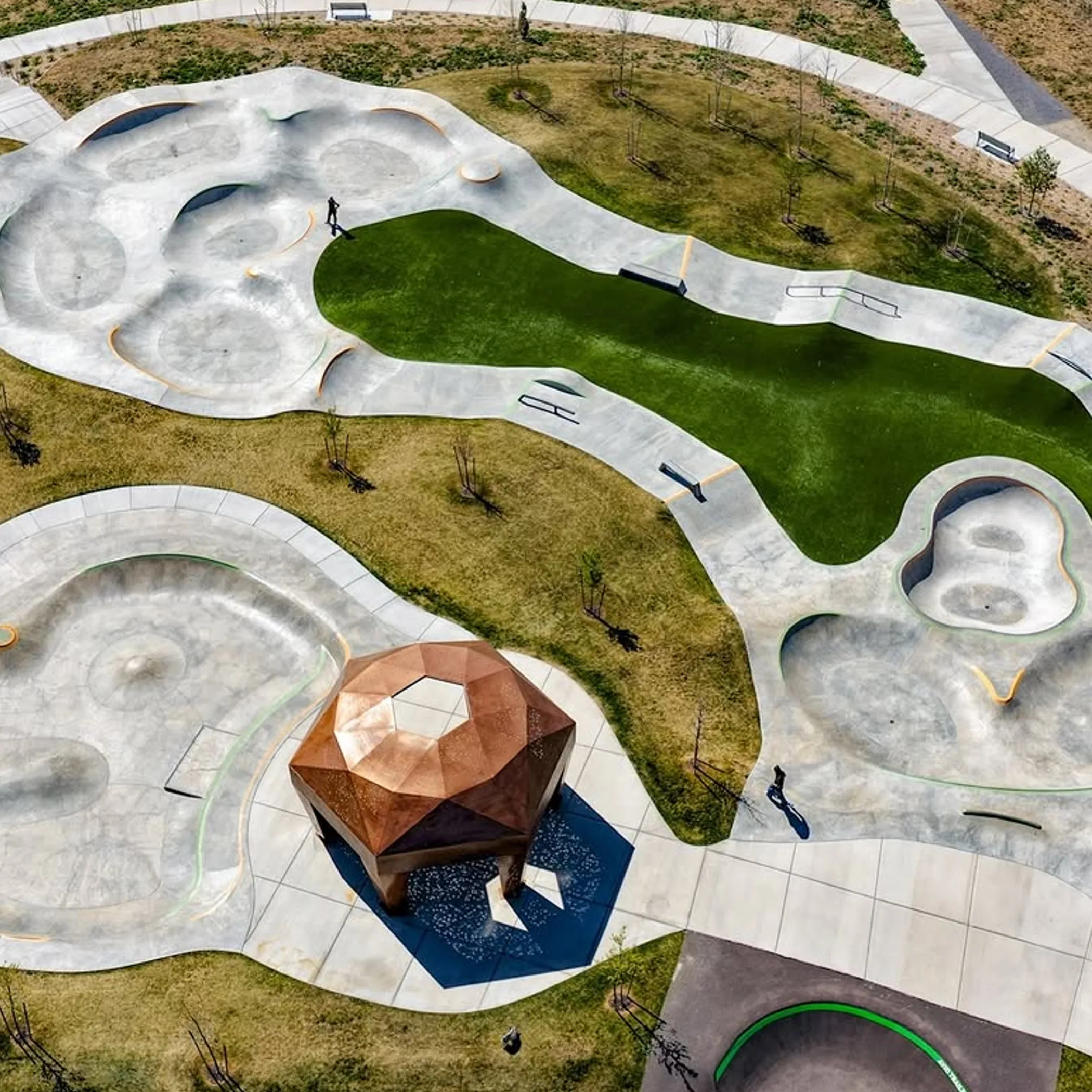
There is more to it than mere comfort. Grip, visibility, the state of equipment and how much supervision is called for can all be altered by the elements. Regular upkeep can also involve shared park maintenance efforts.
In skateboarding you want a sure contact between the surface, your shoes, the trucks and wheels. Let water, dust or heat get in the way of that and a line you know well can turn rough as guts in no time.
People, Equipment And The Surface
Concrete will take in the day’s heat and give it back after dark. You will find the metal coping, rails and ramps run hotter than the grass they are next to and exposed seating is apt to be uncomfortable before the skating area is off limits.
Behaviour is affected too. When it is very hot skaters have a tendency to put in a few tired runs or forego a rest break. The reverse is true in cold and wet, where a proper warm up may be neglected. Either way the likelihood of error goes up.
Then there is the matter of boards and bearings which are prone to rust from the rain or fine dust in dry spells. Pads and helmets can get so hot one is tempted to do without them, which is not the time to be making such decisions.
Dealing With Uv, Hydration And Summer Heat
Australia-wide, summer is hard going for a skateboarder. Between the air temperature, the UV and the radiating heat from the concrete a skater can be done in before the session is half over.
The easy thing to do is to be about it early on, have some water and not make light of the heat. But relying on a cold drink once you are already dizzy is no way to manage risk.
Heatwaves Call For Other Arrangements
If there is no drinking fountain or shade to speak of, a skate park and a heatwave do not mix. What was a reasonable place to be on a typical summer morning can be hazardous if the night has been warm and the concrete is already hot underfoot.
In the built-up parts of Western Sydney and other dense suburbs the urban heat island effect means the paving and lack of trees will hold the heat in around an open-air park.
The Bureau of Meteorology has the official forecasts and UV information to tell you when you should be putting on some sun protection. Their UV Index is a handy guide; 3 or higher and you would be advised to cover up.
Make sure your helmet is a good fit, apply sunscreen as the label says and have more water on hand than you think you will. Sunglasses are fine for the glare provided they do not get in the way of your helmet or sight lines.
When To Put It Away
Do not put down to nothing a headache, nausea, weakness or excessive sweating. Confusion and dizziness are signs to heed; if they are severe or you are close to collapse, get some shade and medical attention.
A lot of people go about hydration the wrong way and wait for the thirst to set in. That is not a reliable system when you have been at it for a while. Better to have small drinks and a break at regular intervals.
- Dawn is a good time to be out, or late afternoon though the UV is still strong then.
- Before you make the trip, see that the fountains and toilets are in order.
- Have a spare shirt, some water, a first-aid kit and sunscreen with you.
- If the metal fittings or the coping are too hot for a safe touch, just leave.
Wet Concrete, Rain and Humidity
You will not find rain and skate parks in good company. Wet concrete has an immediate effect on braking and the grip of a wheel. And there is more to it than meets the eye: a thin film of water can be present on an otherwise dry-looking surface, turning banks, ledges and transitions into something quite slippery.
Then there is the discomfort of humidity. It puts a damper on evaporation, makes one’s gear feel like it has put on weight and has a way of tiring skaters out before they are aware of the effort involved.
The Risks of a Damp Surface
Friction between the concrete and your wheels becomes less predictable with water on it. Throw in some mud, sand, twigs or leaves and you have a problem, at the bottom of a ramp where runoff collects for instance.
Just because the rain is over does not make a park safe. One should inspect the whole line from landings to run-outs; a bit of sun may have dried a spot but the dampness lingers in the shade. In the tropics a wet season means showers come and go leaving the ground unreliable all day.
I was guilty of the usual error when I first began to put together Australian outdoor plans, thinking a clear sky was enough to go ahead. The rain had passed but the lower part of the park was still damp under a covering of leaves. We finished up by cleaning our wheels instead of any acrobatics. You could say the wheels were wiser.
Maintenance and Humidity
Metal fixtures are prone to corrosion in these conditions and organic matter will grow in places where drainage is poor. Council crews should be on top of coping, rails, fasteners and the like in shaded areas and not content with a cursory look after a downpour.
Skaters would do well to leave sweeping of large areas to the operator if he allows it; an improvised job can turn grit into a hazard for others. Any loose components, standing water or broken drains ought to be reported to the council or facility in charge.
Autumn and Winter
In southern Australia the cooler months are often better for skating but the risks are not entirely gone. Wind, morning condensation and cold surfaces mean timing is as much a factor as the temperature.
Up in the country or at altitude it can be harsh. You might get a frosty morning in a park near the Alps or find a coastal one is windy and damp despite what the thermometer says.
Shorter Days and Cold Starts
After sitting for a while or the drive to the park a proper warm-up is called for; cold muscles and joints are no match for a hard impact or twist.
See what the closing times and lighting are like beforehand. A post-work session can end in poor visibility with wet leaves hard to spot. Have a light handy for the walk back to the car or bus, but do not try to skate where there is not enough of one.
Some parts of the country see winter rain that is more of a nuisance than a summer shower. Under a tree or on a transition in the shade the concrete can stay damp for hours. The forecast icon is not as good a guide as the surface itself.
Storms and What Follows
A bad storm will do more than break a branch. There can be flooding, debris, a tree down, exposed foundations or a drain that is blocked. Even once the skies have cleared the park may be off limits.
Water can undermine a path or deposit sharp things at access points which a visual scan will not reveal, so let the operator do his inspection.
After Heavy Rainfall
Do not go into a flooded park on the assumption the water is shallow. Floodwater has a habit of moving about structures and hiding holes, glass and other contaminants.
If a park is closed, respect the barriers and go somewhere else. It is no use making a rescue of a maintenance issue.
Councils will want to check for settlement, do some pressure cleaning and see to the drainage. They may also have to look at car parks and paths as these can become dangerous before the riding area.
Microclimates
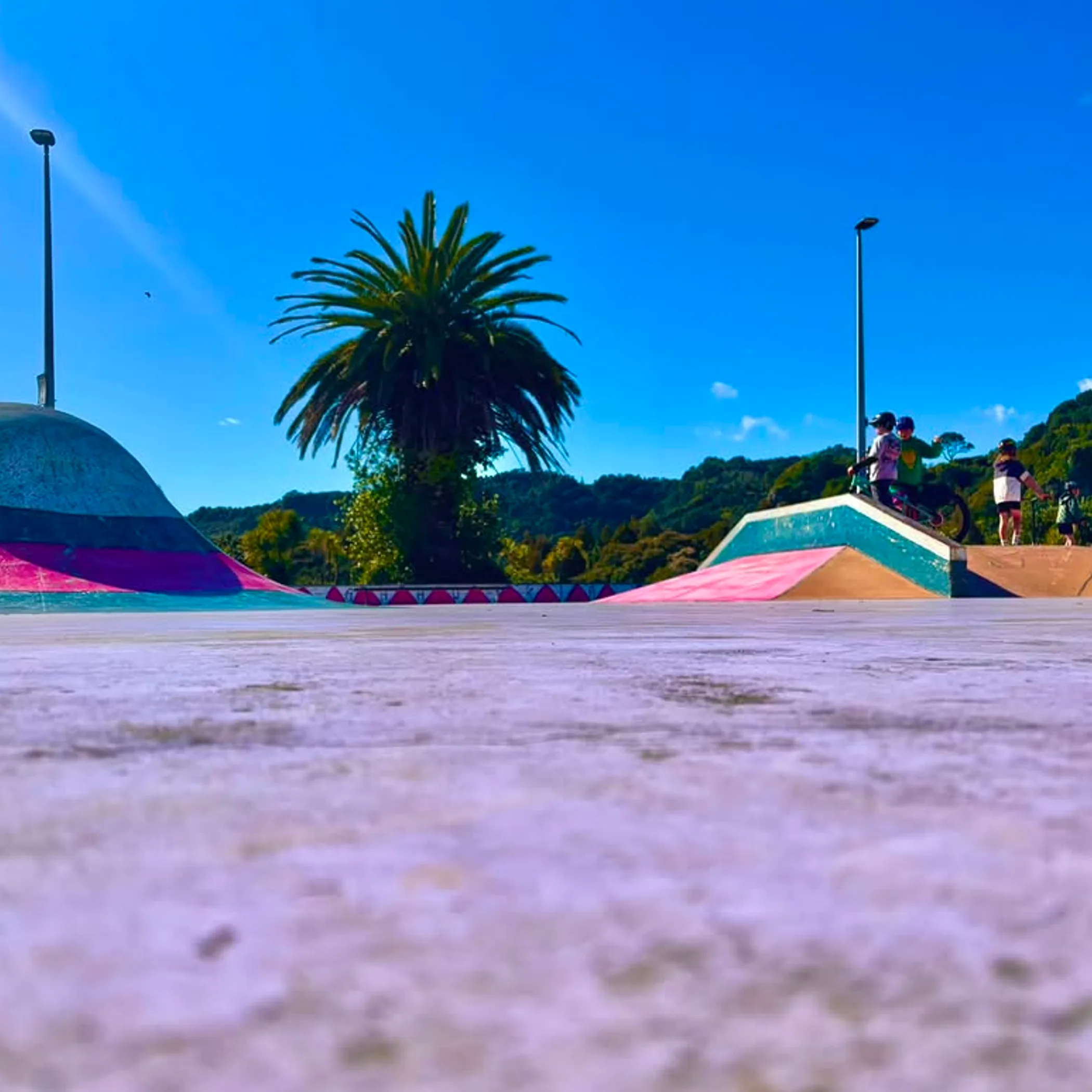
There is no such thing as an Australian skate park climate. What is a sound plan in Brisbane will not work in Hobart and a dry spell in the Red Centre tells you nothing of the wind or glare.
A suburb is not a uniform place; microclimates will see to that. The presence of trees, water, hills, or even the way a building is sited and the paving put down can have an impact on heat retention, evaporation, airflow and the amount of shade available.
| Region Or Setting | Common Weather Issue | Practical Planning Response |
|---|---|---|
| Top End | Wet-season brings storms, humidity and a good deal of heat | Make allowances for longer drying times, heed storm warnings and opt for early sessions |
| North Queensland and Northern WA | Cyclone alerts, flooding and heavy rain from November through April | Follow official warnings and steer clear of parks under closure or with floodwater |
| Brisbane and the coast of Queensland | Strong summer UV, sudden showers and humidity | Take sun protection and water, and inspect damp shaded spots |
| Western Sydney | Hot paving, urban heat island effect and limited shade at some sites | Skate early, identify water access and take a recovery break in the shade |
| Southern cities | Cold mornings, wind, rain and shorter daylight | Warm up properly, check surface moisture and finish before visibility drops |
| Inland and elevated country | Temperature swings, dust and strong wind | Pack extra layers, protect your eyes and check for loose debris |
Patterns of the wet and dry season are of particular note in the Top End. In the north-west a cyclone alert in the November to April window can put a stop to facility operations and transport in short order. For those on the Stuart Highway or the Gibb River Road, a visit to a skate park ought to be part of the overall road and weather plan, not something in isolation.
Who needs to make adjustments
Extreme heat, wind or wetness call for caution from the uninitiated, from older skaters and the young, and for anyone coming back from an injury. When the weather is poor fatigue is quicker to set in and a fall is not as predictable, which makes learning more difficult.
Then there are the experienced skaters who might think their ability negates the risk posed by the elements. It does not. To put in a well known trick on a damp patch or when the body is running hot is a bad bargain.
Climate change and future design
The two are linked in terms of smoke, the intensity of rain and heat, how often storms come and seasonal use. But the impact is location specific so councils would be better served by local climate data than some national template.
CSIRO and the Climate Council, or state services like AdaptNSW, put the changing hazards in context. Their work poses a question of practical design: given the conditions this facility will be put through, can people get to it and out of it with safety?
To build for safer use
There may be a case for more shade and fountains in future plans, and trees that do not obstruct sightlines. Ventilation and surfaces able to stand up to the heat and rain are called for. And drainage must be such that it does not cause erosion or sediment issues in taking water off the riding lines.
As for concrete, expansion and contraction will eventually lead to some movement and cracking. Asset managers and designers have to factor in the ground and temperature and make sure there is access for inspection. An easy to inspect park is one that is easier to make safe.
Bushfire smoke is another consideration for the designer. Even with a clear sky the air may not be clean if there is a controlled burn or active fire in the vicinity; the smoke can irritate and hamper any hard exercise.
Shared maintenance
For a skate park to remain open in Australia there has to be an understanding of responsibility among the council, the skater, community groups and the contractor. While no one is going to ask a user to put right public infrastructure, it is expected they will report an issue and not leave the site in worse order.
An operator can nip a problem in the bud, and avoid a costly fix or a serious injury, with a prompt word about storm debris, a broken light or standing water.
Reporting
Note the name of the park and the feature in question and if the trouble was after a storm or a spell of heat. A photo is fine if the system will take it but do not put oneself in harm’s way to document it.
There is no sense in pouring liquids on the concrete or using household chemicals on the surface, or riding where there is floodwater. A fix put in with good intentions may end up being a risk. It is better to let those who are qualified handle the technical side and to adhere to what the facility has put in place.
Then there is Skateboarding Australia, local councils and the Australian Sports Commission who can do their part to foster an inclusive environment and put forward safety education. A park should have a culture that makes room for the spectator or the beginner as much as it does the one making the most noise with the best line.
Quick Planning For Any Season
You want a session suited to the conditions. When you have but a day, make for a park where you will find shade, water and public transport and can get back without trouble; do not be lured to some well known spot and be left out in the open for hours.
Be realistic about how long it will take to travel, to warm up, to dry off and so on. A drive of twenty minutes can stretch into something else entirely if the rain holds up traffic or a storm warning forces a detour and you cannot find parking.
- Before you set out, look at the Bureau of Meteorology for any warnings, the rainfall radar, UV and the forecast.
- Put in a call to the council to see on what the opening times are and whether there is access to toilets, fountains and transport.
- On arrival have a look over the surface, note where the shade and exits are and where you can cool down safely and get first-aid if needed.
- Do not be too rigid with your plans when it comes to the length of a session; factor in the wind, the heat and smoke and your own fatigue.
- Have your phone and a cloth for a quick check of the equipment or the ground at hand, as well as water and sun protection.
Reality will often differ from expectation. “Fine” on the forecast is no assurance of a skateable park, for fine weather can bring out the UV and make the concrete hot or leave a haze of smoke. Nor does a bit of rain render the whole park off limits, but then again every surface must be appraised.
Frequently Asked Questions
Why Is 2030 The Point Of No Return?
Science does not recognise 2030 as a definitive year for irreversibility of climate change. One sees it as a planning marker since the decisions made now on emissions and adaptation will dictate the risks to come. As for the skate park, the sensible thing is to plan for more arduous maintenance and heavier rain and hotter days instead of regarding a particular date as a cliff edge.
What Is The Silent Killer In Australia?
It is not an official diagnosis of sorts. But in the context of the weather, extreme heat gets called the silent killer because heat stress is easy to underplay and can come on quietly. Heed the warnings and put in the time to drink and rest, and do not hesitate to get help if it becomes severe.
Is Australia Getting Drier Or Wetter?
You will see both, season and region permitting. Some parts are in for longer dry spells, others are subject to flooding and heavy rain. You are better served by local climate data than any broad statement covering the country.
Will 2026 Be Hotter Than 2025?
Not something one can say with any certainty absent a proper location and period and a current outlook. Conditions here are variable from year to year and season to season, so leave the headline predictions alone for planning a session and refer to the Bureau of Meteorology closer to the time.
Can You Skate After It Rains?
Provided the operator has not put a stop to it and the riding area is clear of debris and dry. Puddles you do not see and damp leaves on wet concrete will have you lose control in a moment. If there is any question of it, wait it out or head indoors.
Weather-Smart Sessions Last Longer
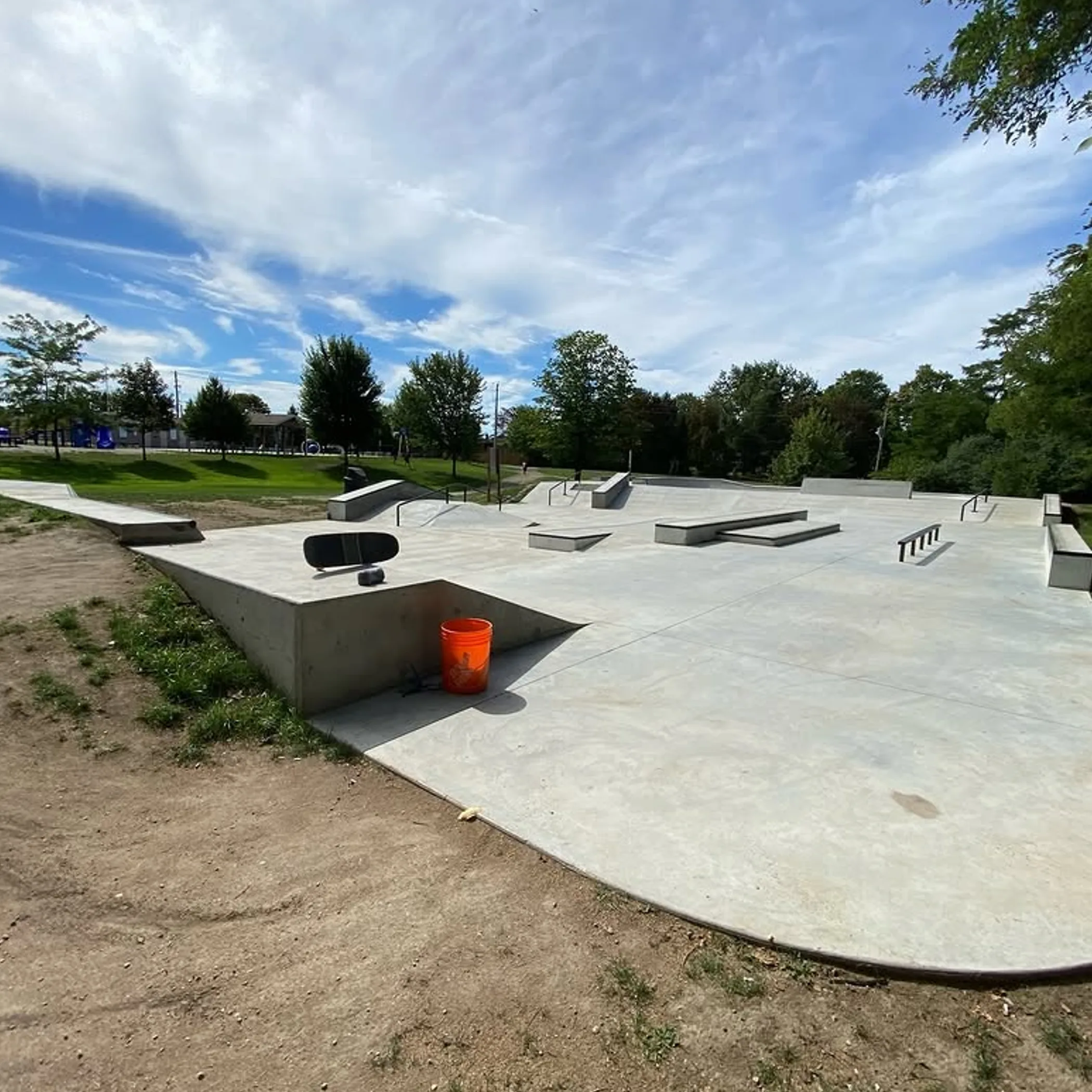
From the Top End to the Alps the seasonal weather will have its effect on the design, safety and upkeep of a park. Humidity, storms, UV, smoke and the like call for some adjustment in one’s behaviour and timing.
Do as you should: inspect the surface, pay attention to your body and the forecast and any closures. The measure of a good session is not in how long you put in, but in getting home with your board and your dignity intact.