
For a trouble free trip one tends to opt for the dry season; the wet is for those who do not mind warmer water, more verdant scenery and the odd absence of other tourists. Then again, you have to take into account that an island’s climate in Australia can be very different from one place to the next, be it the tropical north or the cooler waters of the south.
We put the matter of the dry versus wet season in plain English here. The following is a guide to the practicalities of visiting Australian islands: sea and air conditions, humidity, transport, marine life and where the risk of a storm lies. For comparing island weather Australia and US, I am Edward Ashford. My time with Queensland tourism and on reef trips has taught me that the ocean has its say and a sun in the sky is no assurance of an easy ride on a boat.
Dry And Wet Seasons: A Comparison
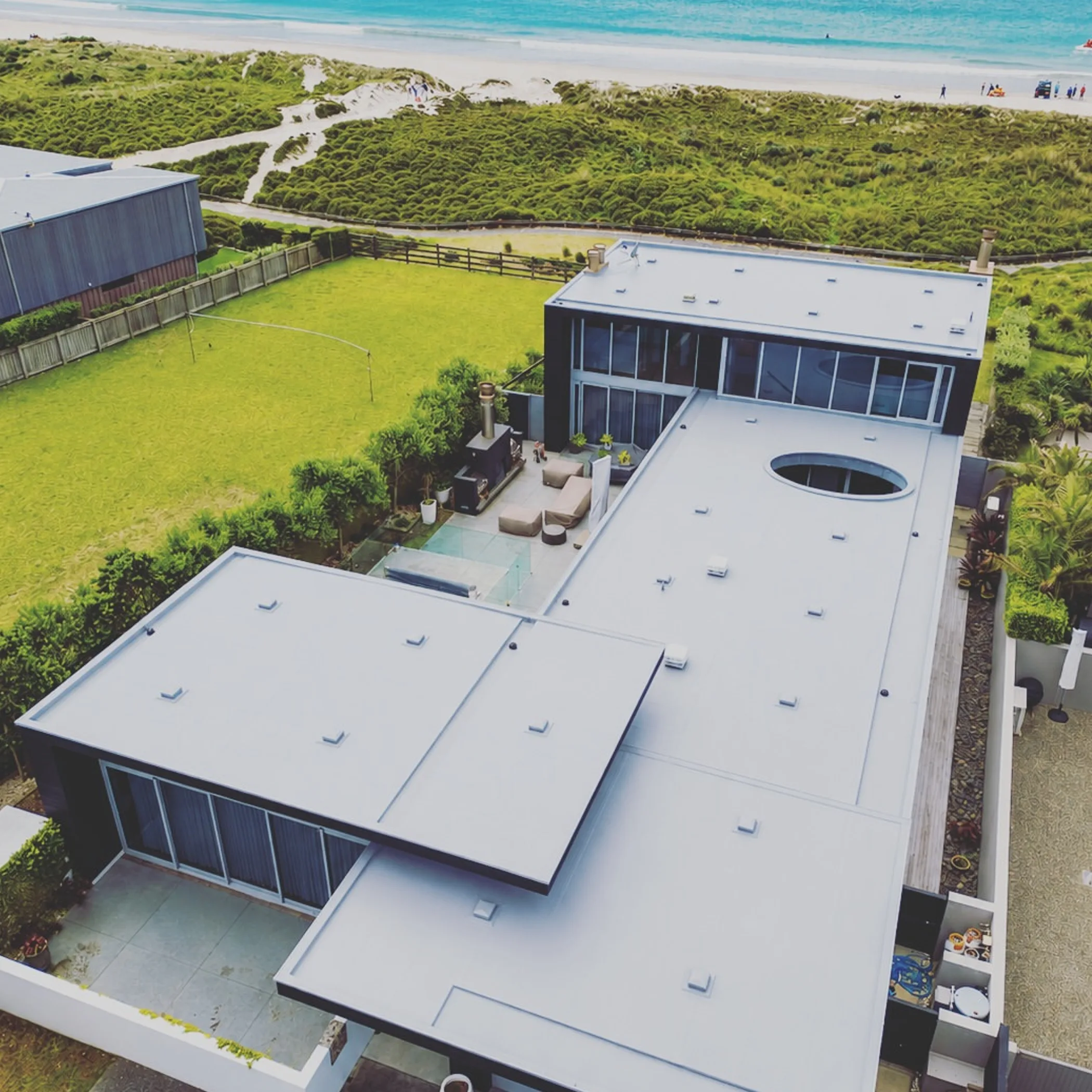
Northern Australia will see calmer seas, better skies and less humidity in the dry months, making for more predictable travelling. In the wet season things are hotter and more of a mixed bag, with the prospect of dramatic storms and good value, but also more changeable conditions.
There are no hard and fast rules as to timing. What is “the dry” on a tropical island (say May through October) is not the same as “the wet” (November to April). The southern islands are governed by temperate patterns, not a monsoon.
| Factor | Dry Season | Wet Season |
|---|---|---|
| Typical timing in the tropical north | May to October | November to April |
| Daytime | Warm to hot without being so oppressive | Hot and humid at times, and stormy |
| Rain | Not as much in many parts of the north | Can be heavy, particularly in the afternoons |
| The sea | For the most part settled if the wind does not interfere | Variable; there may be swell or cancellations |
| Visibility in the water | Better once the weather has been kind | Tends to suffer from runoff and rain |
| Humidity | Low in northern Western Australia and the Top End | High, in the wake of a storm or before |
| Demand for travel | Higher when the schools are out | Lower, though some accommodation is seasonal |
When the seasons turn
A calendar is only a guide, local patterns are what count. The dry season in the Kimberley or the Top End is as reliable as it gets. In Queensland you may have your wet season rain and yet not have every day ruined.
As the wet season sets in you will notice the humidity and cloud cover build up with heavier showers in the afternoon. Come November to April the north can be subject to monsoons, rough seas, flooding and cyclone warnings.
North Versus South
You will find the starkest difference between the two in the Northern Territory, Torres Strait, Tiwi Islands and up in Queensland. Christmas Island is tropical enough but the marine environment and rainfall are not like mainland northern Australia.
Head further south to Victoria or Tasmania and the winters are cooler, summers milder and the rain comes over a longer period. It is not an apples and oranges comparison to put a southern island up against a tropical one off Cairns. On the latter you might be concerned with the monsoon and a mozzie, on the former it is the wind and a fleece.
Why go in the dry

If you are after something dependable for your outdoor pursuits the dry season is the answer. You get to put in more time outside before the heat becomes too much of an ordeal. It is popular for that reason, which means tours are fuller and you will face stiffer competition for rooms.
Clearer conditions and comfort
Mornings in the Top End are cool and pleasant before they warm up. Around the Whitsundays and the Great Barrier Reef you can expect the kind of bright days and visibility that make for good diving and snorkelling.
But do not assume the seas will be flat. Trade winds have a way of picking up around the exposed Queensland islands. As a photographer on a reef tour I have seen calmness vanish from breakfast to the first briefing. If seasickness is an issue, have your medication to hand before you board the tinnie, do not put it to the test.
Some tips for planning
Make early bookings for ferries and the like in the school holidays. Put in a buffer for any mainland flights and check what you can take in the way of luggage.
- Have a look at the Bureau of Meteorology for their forecast and marine warnings.
- Take insect repellent, a hat and light long sleeves, reef-safe sunscreen and water.
- And enquire of the operator as to their policy on rescheduling or calling off a trip should the wind come up.
- Make sure you have the right permits for Aboriginal country, national parks and any restricted island zones.
- Factor in some additional time for the check-in process, to park and put luggage on the ferry and be loaded.
Before you set off, consult the Bureau of Meteorology for their forecasts and any official warnings.
The Reality of Wet Season Travel

There is no reason to think travel in Australia’s wet season is inherently unpleasant or unsafe; it can be quite rewarding if one is prepared for a degree of flexibility and realises that tropical weather comes in fits and starts, not as an unending grey drizzle. Keep an eye on the warnings.
Then again, it is more than just a matter of rain. Your entire itinerary could be called into question by humidity, lightning, rough water, flooded roads, crocodile activity, a tropical cyclone or walking tracks that are closed.
Heat, Humidity And Rain
An afternoon storm may be over in a flash and give way to warm sun, at other times a monsoon cloud will hang about for days. The unsealed roads become slippery with heavy rain and getting logistics done on a remote island is no walk in the park.
You will find the high humidity puts a different spin on things. What seems a straightforward walk from the map can be tiring when there is no shade and the air is thick. Put in more water than you think you will require, make allowances for short distances and do not understate the effort involved.
Closures And Storms
While tropical cyclones are not part of the daily routine, the risk is of consequence in the north between November and April. It is not unusual for operators to call off a tour or for a park to close on short notice, and ferries can be held up.
Heed the crocodile warnings in the Northern Territory, northern Queensland and Western Australia. A saltwater crocodile is not going to be put off by a colour-coded holiday spreadsheet. And stay out of floodwater or any creek you do not know.
What To Expect On The Islands
One has to look at regional differences to get a handle on Australian island weather. The same day can see entirely different conditions owing to latitude, ocean currents, trade winds, the monsoon and how far one is from the mainland. Take the regional picture below as a guide to your planning, but local forecasts are indispensable for boat work and out of the way roads.
Queensland’s Reef And Islands
For the most part the Whitsundays and the Great Barrier Reef islands are warm. The dry season is apt to be more comfortable with better sea states; the wet brings warm water and intense showers that will leave visibility in the water wanting after a deluge. You may still go on a reef trip in such weather, though a clear forecast on the mainland is no assurance of clear water at the outer reef. Recent wind and rain will tell.
Torres Strait And Tiwi
In the Torres Strait the climate is of a strong tropical nature, dictated by the heat and seasonal rains. With few alternatives or services, marine transport and flights are at the mercy of the weather.
Some destinations in the Tiwi Islands will need to be arranged through an organised tour, by boat or flight and with the necessary permits. Cultural protocols and permission should be verified prior to making the journey.
Kakadu And Christmas Island
Christmas Island is isolated and tropical, the terrain and humidity will have their effect on road and walking access. Do not put stock in a generic Queensland forecast for wildlife here, which is very much of the season, but get the local word on it.
Kakadu is no island but serves well to illustrate Top End conditions. In the wet the waterfalls and wetlands are at their best, yet you will find some attractions and roads are not open. The dry makes for easier access but the heat and the crowds are another matter.
Seasonal Considerations

It is what you intend to do that dictates the right season, not simply the state of the sky. Hiking, a cultural visit, the beach or the reef all have their own way of dealing with the elements.
Many would have you believe the wet season is the end of everything. More often it means fewer activities can be put in the diary with certainty and a good backup plan is called for.
Beach And Reef
If you are after a day at the beach or some novice snorkelling the dry season is the easy option for its calmer seas and clearer water. An experienced diver might relish the warmer water and the marine life of the wet season but must be amenable to having the day changed or called off. Find out from the operator if they use sheltered sites and how the site is affected by the latest rain.
Wildlife And Walking
Scheduling a walk in the dry is generally less trouble, in Kakadu or on a remote island. Get an early start and have your water with you; a mild morning is no excuse to be caught out by the sun.
There is more to the wet-season landscape, a certain greenness and vigour, but one has to put up with leeches and mozzies, rocks that are not to be trusted and the odd closure. Good footwear is a must and a creek crossing should be regarded as a decision to be made, not an occasion for a picture.
Travel Costs And Logistics
The weather of the season will have an indirect bearing on what you pay in terms of demand, cancellations and availability. You might find tempting deals in the wet season, but factor in flexible transport and any nights you did not plan for. In the dry season expect to pay a premium for your accommodation and tours.
Then there are indicative costs which can differ from one island or operator to the next. Tens of Australian dollars will get you a ferry from the mainland, a full-day tour of the reef or some out-of-the-way island several hundred per adult. As for where you stay, it could be a basic room or camping on a budget or a top resort at a few hundred a night. Be sure to verify prices with them before you put down a booking.
Getting There And Back
A trip to the Queensland islands will see you off from a marina, an airport transfer or the mainland ferry terminal for the most part. Make note of the last check-in time, parking hours and luggage regulations. At the terminals in particular when it is busy you are best to be there well ahead of departure.
Flights are the sensible way to start if you are bound for Christmas Island, the Tiwi Islands or the Torres Strait. Put in an overnight on the mainland so a missed connection does not leave you stranded; a return route that is fine in the dry season may not be so dependable when the wet season is severe.
One-Day Visit Strategy
An organised reef trip from the mainland with a set return schedule or a sheltered island are the way to go if you are short of time. Have one main activity in mind and make the rest of it optional.
Do not attempt a remote island on a one-day itinerary where you have to make several connections, do without sealed roads or rely on the weather for your boat. It is not the kind of island experience one is after to be looking at the clock all day.
Expectation Versus Reality
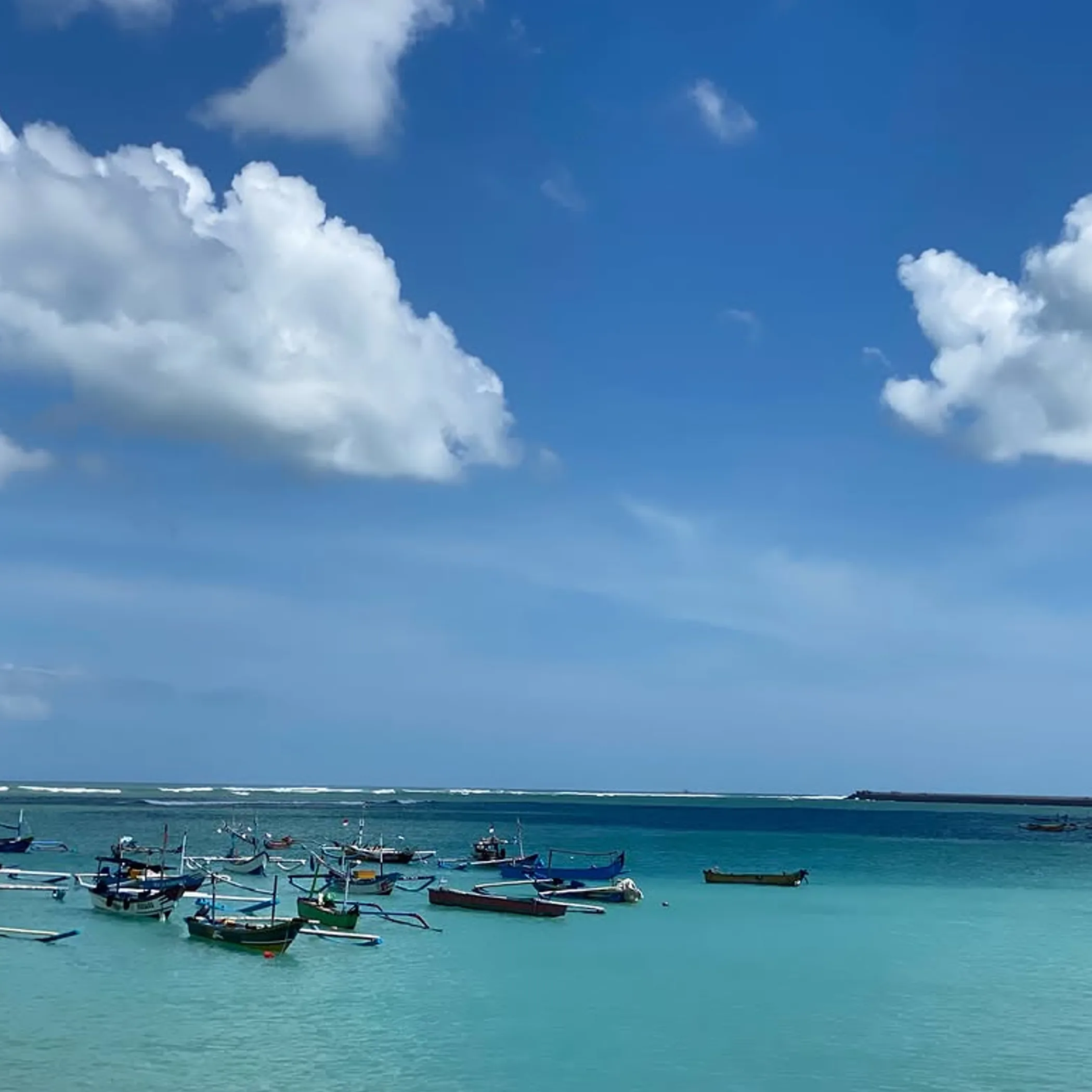
You would think the wet season is rain from morning to night. In fact a good many tropical days have their share of sun after a hard storm, though that same storm can put an end to your boat trip or put water on the road.
Perfect beaches are not assured in the dry season either; an exposed coastline will feel the wind and swell even when the sky is clear.
And while a paucity of visitors in the wet season suggests lower costs, some operators are not running, you will have fewer places to put your head and transport is less frequent.
It is easy on a map but tides and transfers can make a short crossing an all-day affair.
Australia And US Island Climates
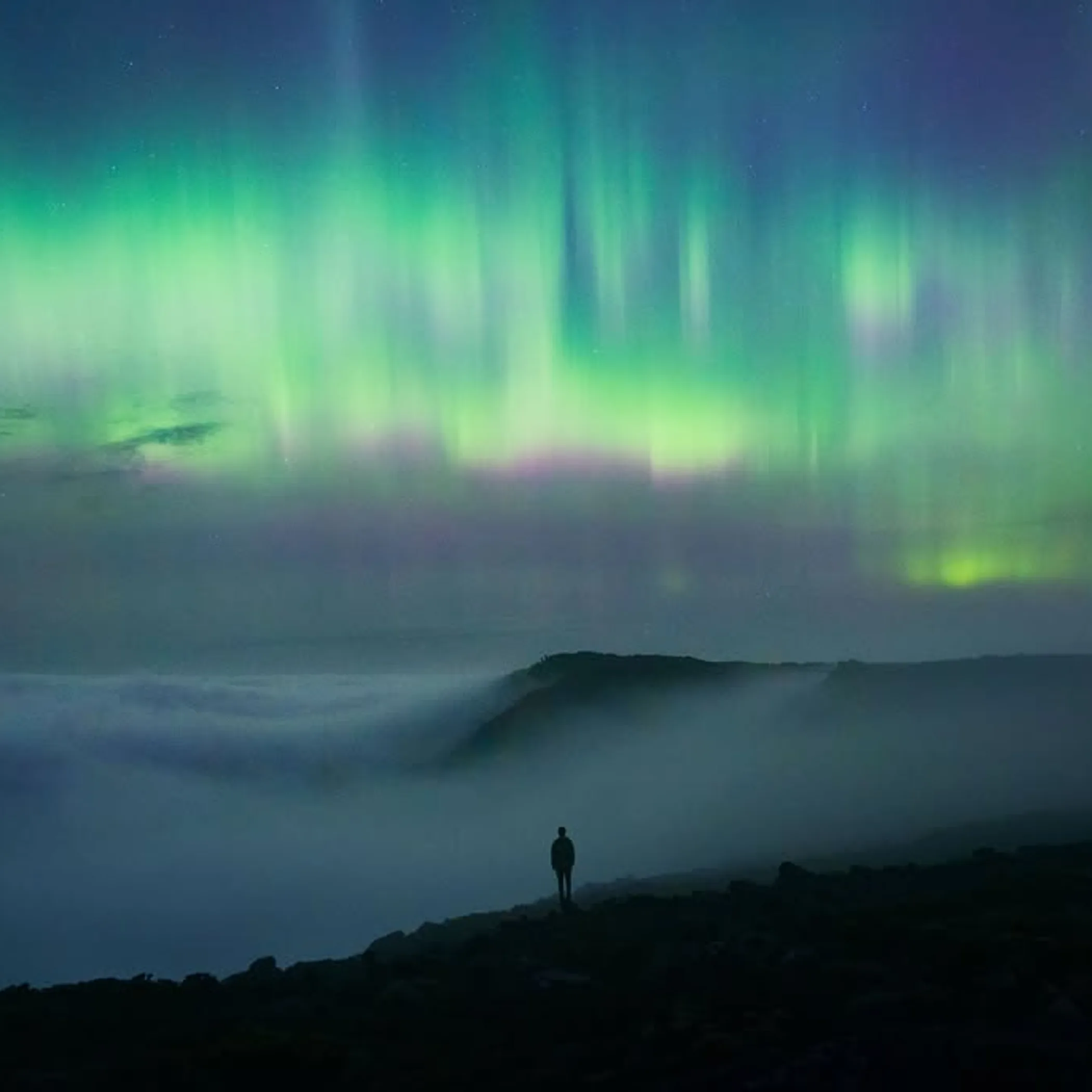
To equate all tropical islands is the error people make in comparing Australia with the US. The Caribbean, Hawaii, Florida and the US Pacific islands are not interchangeable, they have their own infrastructure, rainfall, currents and storm seasons.
In northern Australia the monsoon makes for a distinct wet and dry season. Some US islands have those patterns but the timing is different as is the geography and exposure to hurricanes and trade winds.
Take Australia for instance, the climate is vast. The sea conditions and temperatures on a Tasmanian island, Christmas Island and in tropical Queensland are worlds apart. Look at the destination itself rather than the country.
Frequently Asked Questions
Travellers tend to ask these before making plans for an island. The answers below are as practical as they come but local forecasts and any notices from the operator should be checked as departure nears.
What Is The Main Seasonal Difference?
In the north of Australia the difference is plain to see. The dry season is more predictable and not so humid. The wet brings heat and rain and a greater chance of storms and changes to your transport.
What Is The Best Visiting Season?
If you want to see the sights and be on the beach or the reef without fail, the dry season is the all-round choice. The wet season is for the more pliable traveller who wants warmer water, less of a crowd and greener surroundings.
Which Islands Suit Dry-Season Trips?
You will find it easier in the dry season to get to the Whitsundays, the Great Barrier Reef, the Torres Strait or the Tiwi Islands. The sea and access are more amenable for the most part, barring any local wind.
Is Wet-Season Travel Safe?
Provided you heed warnings and go with a reputable operator and are open to an altered itinerary, yes. But do not wade into floodwater or ignore a croc warning or a cyclone alert and keep out of closed areas.
Does It Rain Every Day In The Wet Season?
Not at all. You can have sunshine and humidity interspersed with a heavy storm. But one bout of bad weather is enough to impact visibility and put paid to your plans and ferries.
Final Travel Takeaway

The dry season is generally more comfortable and the sea conditions more to be relied upon, making it the preferred option for a first timer. If guaranteed plans are not as important as flexibility and a lack of demand then the wet season will do.
Before you go have a look at the tides, the forecast and the rules of access. Pack for both sun and rain and be realistic about how you are getting back. The climate here is changeable and can be cheeky at times, so let the weather have its say. Plan accordingly and be croc-wise.