
When it comes to an outdoor gathering in Australia, the first rule of extreme weather safety is to have a look at the conditions prior to your guests’ arrival and to do so again as the event progresses. One can be surprised how fast a nice get together becomes a risk with a heatwave or a change in temperature, not to mention high UV, storms or bushfires.
My name is Edward Ashford. In my line of work in tourism I have learned that what is put down as “a short outdoor event” may in fact mean long walks from where one has parked, no phone signal, a slippery track, little in the way of shade and a wait for the only drink tap available. A sensible plan will account for the journey there and back as well as the event; it also allows people to make the call to leave early, which is often the best course of action.
Why you should plan for the weather
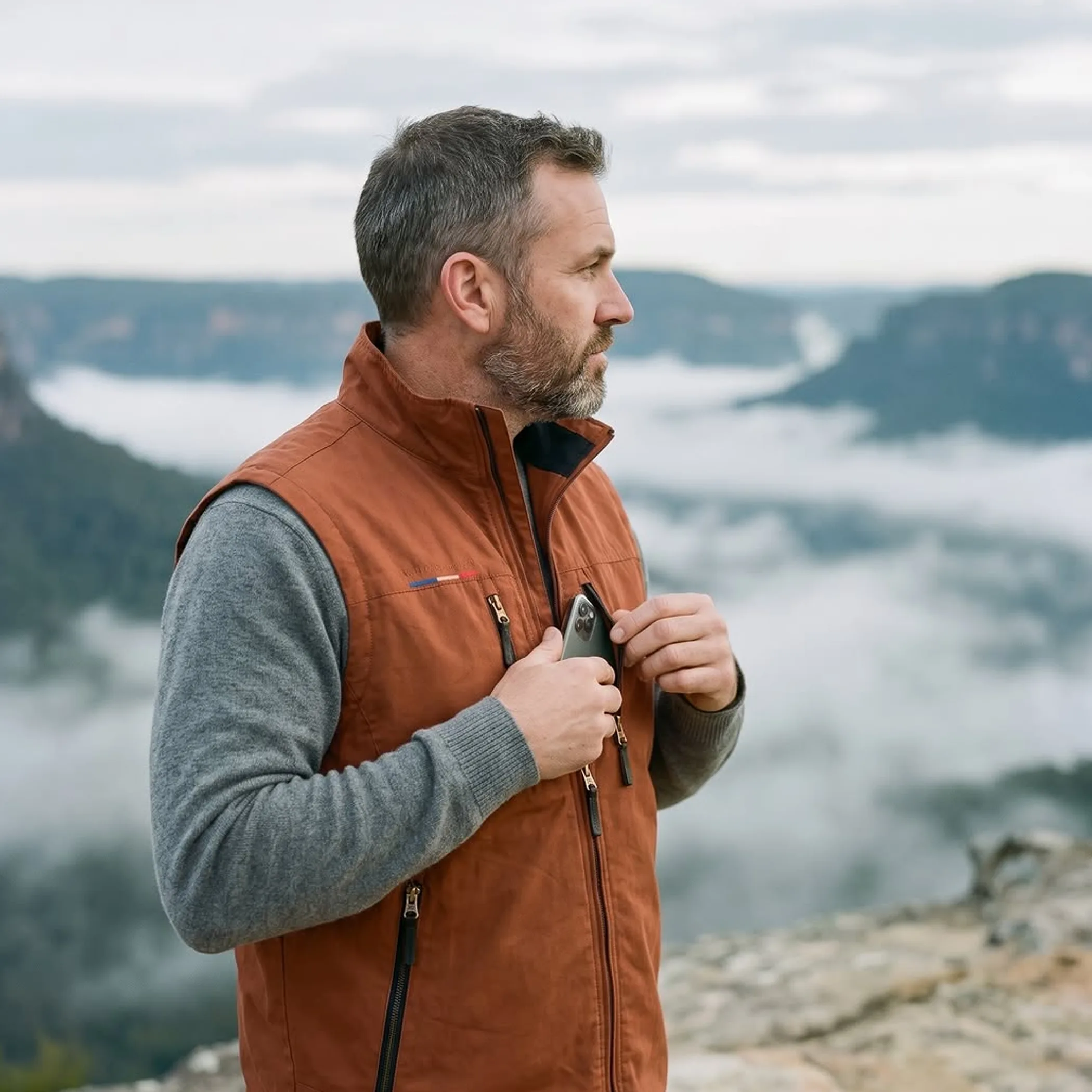
In Australia it is more than just a matter of putting up with the rain. Even those who appear in good shape can be put under stress by the sun or a bushfire if they are on their feet for hours standing, dancing or walking.
An organiser ought to make provision for the most trying scenario one can reasonably expect, not what an over-optimistic café chalkboard might have you believe. See this festival seasons and conditions guide for further context. Have a practical means of evacuation or cancellation at hand, as well as water, shade, first aid and an outdoor event emergency plan. Make sure announcements are clear.
Conditions have a way of changing
There is a marked difference in the weather from the coast to the interior and up in the higher country. You could have a warm stillness to a Brisbane affair and yet in Melbourne the mild sunshine gives way to a cold front before you have put away a stray picnic rug. The Top End will see wet season storms come on apace. Out in the Pilbara or Red Centre the dry heat is no joke despite a benign looking sky.
Then there is the season. From November through April the wet season in the north is liable to produce cyclone warnings, lightning and flooding. The dry season is less of an ordeal but the UV and fire danger demand attention. In the south spring will throw up strong winds and unseasonable warmth, and summer brings the threat of dangerous fire weather and bushfire closures.
Check on the weather and any fires
See what the Bureau of Meteorology has to say about heatwaves and warnings for the location in question before you put out an event schedule. Make someone responsible for keeping an eye on updates the morning of the event instead of having to trust a guest to spot a warning between songs. Rely on the Bureau’s official information and the state emergency services for severe weather.
Heed local warning systems
A national headline will not tell you all you need to know about fire conditions in the district. Look at the Australian Fire Danger Rating System to decide if proceeding with the event is wise or if some extra controls are called for, or perhaps a postponement. In NSW the Hazards Near Me app and the Rural Fire Service are your guide; in Victoria check CFA Victoria and the like. Other states and territories have their own channels and restrictions. Include the right phone numbers and links in the briefing so there is no scurrying about when smoke starts to drift across the site.
The categories run from No Rating to Catastrophic Fire Danger and the implications are plain: the higher the rating, the harder a fire is to put out once it has taken hold and spread. Catastrophic is not the time to bring along some extra ice; you may have to relocate or call off the gathering.
Do a location check
Your control plan should have the address, access gates, cross street and where to evacuate. Is the venue on a low flood plain, near a river or bush? A park next to a narrow bridge is fine until it is time for everyone to make an exit.
Parking and transport should be looked at too. Let guests know which car parks are open and if shuttle buses can cope with the heat or smoke, and point them to return routes that will not be closed. If the venue is on a regional road like the Stuart or Gibb River Road, factor in the distance to fuel, the lack of reception and the fact that a road train or an emergency response will take longer.
Manage heat, hydration and shade
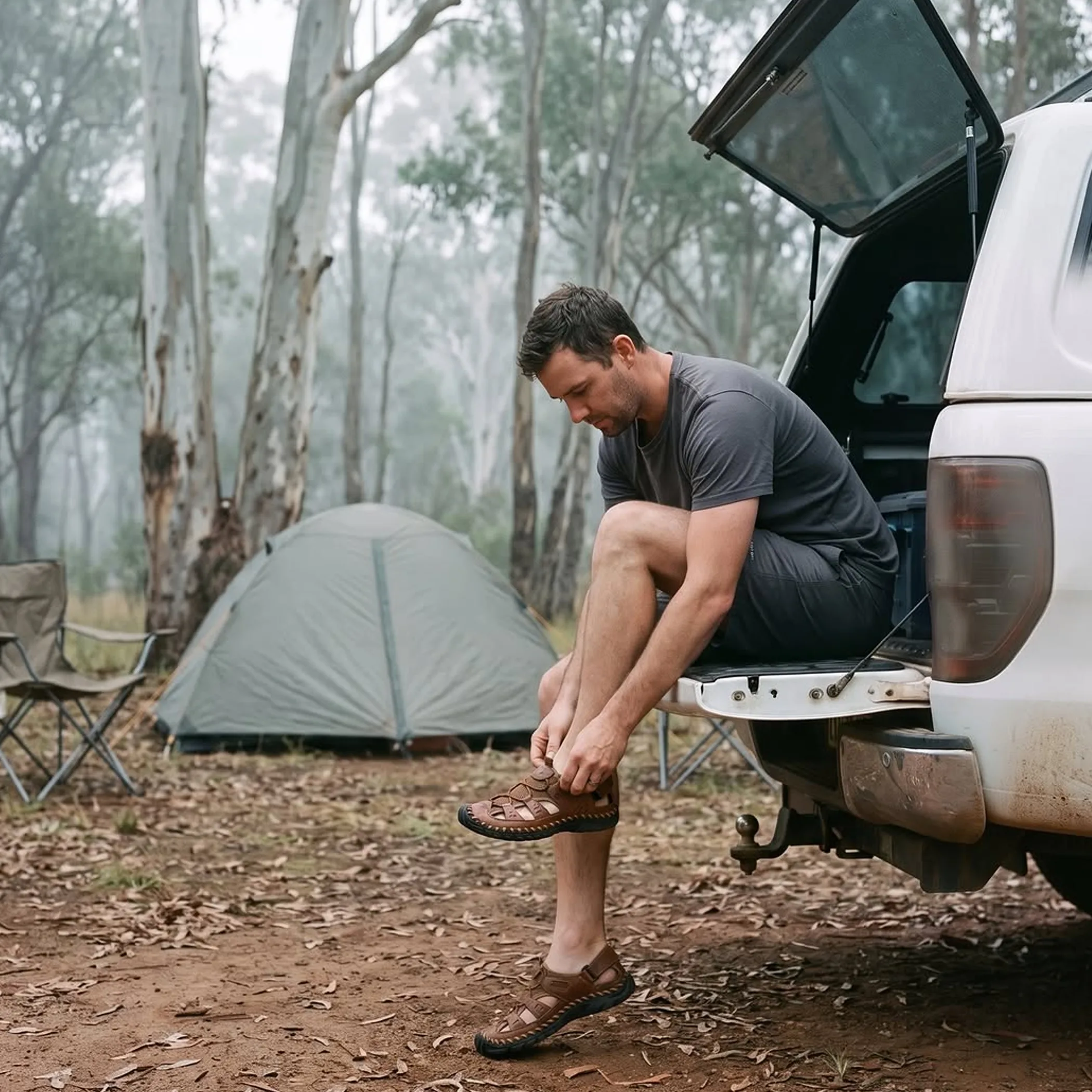
Hydration, shade and sensible pacing are the order of the day for heat safety at any outdoor event. Heat has a way of clouding judgement; before a guest realises they are in the way of dehydration they may already be unwell.
Water should be freely available and not an afterthought. Do not make a tap at the back of a food truck your entire hydration strategy. Put out drinking water where it is hard to miss, with stations for refilling bottles at the entrances, around seating and in the vicinity of activities.
Creating A Cooler Environment
There is no need for one congested spot by the stage when you can put up gazebos or marquees for some cover. Have cooling stations on hand with fans, misting (where it makes sense), damp cloths and staff on hand to summon help if needed. Mind where electrical gear is sited so as not to create a hazard with water and ensure emergency access is unobstructed.
Guests will not appreciate how far they have come from the parking, the map’s tidy line not accounting for a hill, a queue or a child who has momentarily lost the use of his legs. Urge them to put in some regular breaks. And while alcohol is part of the occasion, it impairs judgement and dehydrates, so have good non-alcoholic options and water on offer well beyond the first-aid tent.
Early Dehydration Prevention
Thirst, a dry mouth, headache, dizziness, dark urine or an odd fatigue are all indicators of dehydration. With heat exhaustion one might see heavy sweating, clammy skin, nausea, muscle cramps or even confusion.
These things should be made clear to guests before they get here: wear light clothes, do not overdo it and let us know if you are not feeling right. Those with medical issues are expected to have their medication to hand and heed their clinician.
Eyes, Skin And Clothing
In Australia the UV protection advice holds true even if the temperature is agreeable. A bit of breeze and cloud cover will take the edge off the heat but not the UV.
Suggest a wide-brimmed hat, sunglasses with the right protection, shoulder covering and SPF 50+ sunscreen to be put on en route and reapplied as directed once they have been swimming or perspiring.
High UV Radiation
When you can, time any demanding activity for outside the peak of the day. Make use of covered queues and indoor areas as a fallback. If a marquee is holding in hot air despite keeping the sun at bay, open the sides or move it.
Adults are prone to forget the ears, nape of the neck or tops of feet when applying sunscreen, and children burn in short order. Volunteers can put in a word of reminder and point people to the shade but should not be putting sunscreen on anyone.
For The Vulnerable
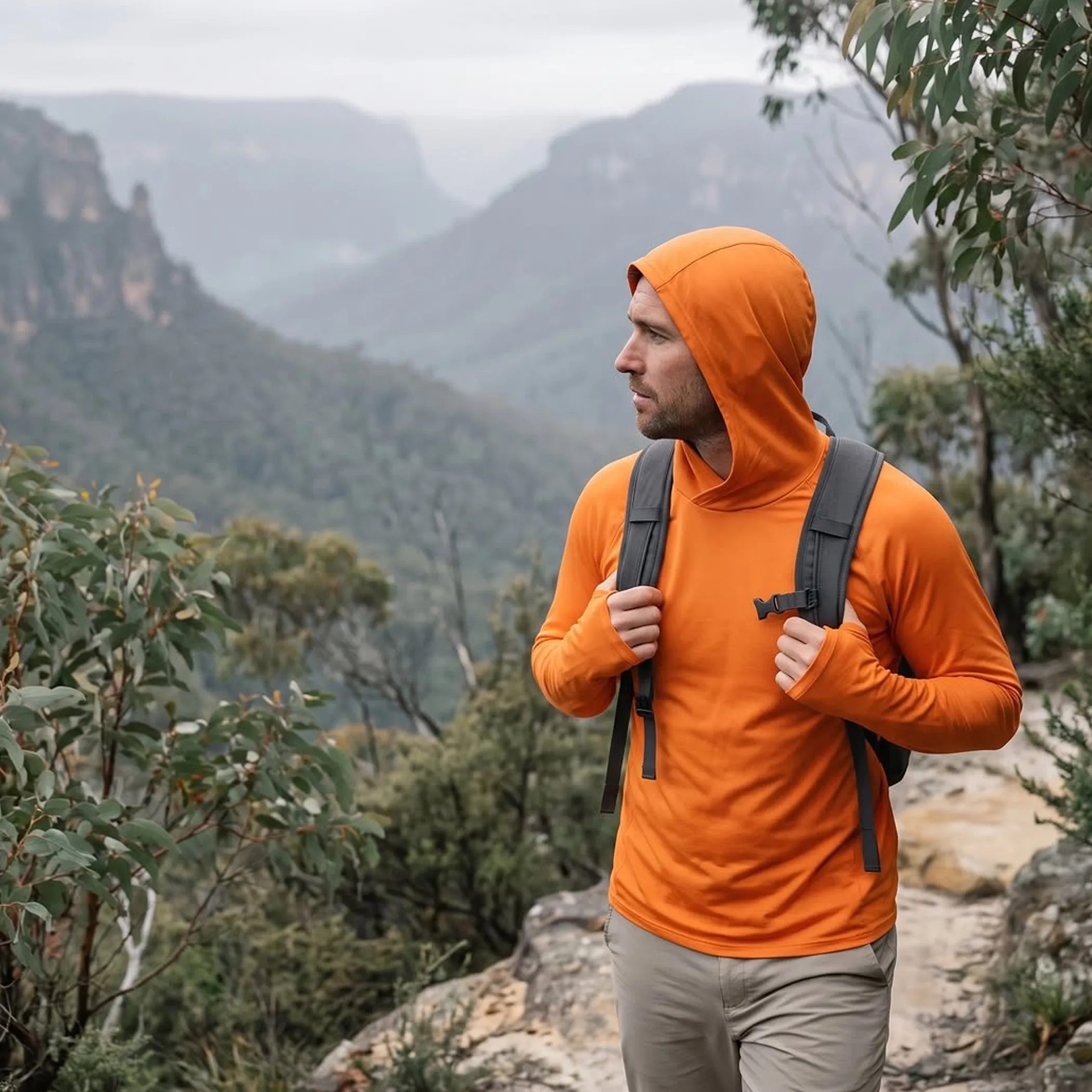
This could mean the elderly, babies, those with a disability, pregnant women or anyone with a heart or lung condition. Some medications make coping with the heat harder. Site design should allow for assistance without having to air one’s private medical affairs. Have a quiet place to cool down, toilets at hand and paths that are accessible. Use plain language in your announcements and put up visual signage for those who cannot make out the loudspeaker.
Keep Children And Older Adults Cool
Older people do not register thirst like the young, so a comfortable seat and a drink are in order. See that mobility aids can be used safely on uneven ground or gravel post-rain. With a child present, do not expect him to ask for water or to know he is coming down with something; plan for shade and be on the look out for vomiting or irritability.
Where there is a beach, dam or river, water safety must be part of the briefing. Glare, tides and slippery edges add up fast. Even with water nearby there has to be supervision and a contingency for a missing child.
Food And Drink
A tea towel over the esky is not enough for food safety in this kind of weather. Perishables left in the sun or in a hot car for any length of time are a risk. Keep serving utensils in order, separate the raw from the ready-to-eat and have plenty of ice in your insulated containers. If the supplier or the food authority would say it has been out too long, put it in the bin. There is no virtue in a dodgy potato salad.
Plan A Safe Service Area
Where you can, site your food stalls at some remove from any smoke, standing water or waste. Make sure there are handwashing and sanitising stations on hand, ingredients are covered and the food is kept from insects. When it is hot, do not put out the whole supply on a table; smaller batches are the safer option.
Advise guests to pack perishables in an insulated container and not to leave prepared salads, meat, dairy or seafood in a car once they have parked. The heat in a vehicle will get much higher than outside. An esky is fine so long as they can be sure to keep it cold and shut.
| Risk | What Most People Get Wrong | Practical Control |
|---|---|---|
| Heat | A breeze is taken to mean the body is cool | Water, shade and rest areas should be provided along with active welfare checks |
| UV | Cloud cover is thought to be protection from the sun | Insist on SPF 50+ sunscreen, hats, clothing and routes in the shade |
| Fire | Some will wait until there are flames to make a move | Have an evacuation route ready and heed warnings |
| Food | An esky or buffet left in the full sun | Go with small serving batches, ice and containers that insulate |
| Transport | The belief that all roads will be open | Make provision for alternate parking and return or shuttle routes |
Recognise Heat Illness
Heatstroke is a medical emergency and one that heat exhaustion can turn into. It is characterised by a very high temperature, collapse, seizures, confusion or being unconscious. There is no need to see every symptom before you act.
Relocate the individual to somewhere cooler, take off what clothing is not needed and use water and air to bring the skin temperature down. Then call Triple Zero (000) and stay with the person to comply with the operator. If they are in no state to swallow safely, are confused or unconscious, do not put fluids to them.
Keep your response simple
- In the event of suspected heatstroke, ring Triple Zero (000) and notify the first-aid lead for the event.
- Put the person in an air-conditioned room or under cover, but do not obstruct access for the emergency services.
- Apply wet cloths and let the air flow over them to cool them in short order and make a note of it for the paramedics.
- Have a member of staff hold back the crowd and direct the ambulance in from the gate.
With less severe heat exhaustion, put the person at rest in a cool spot and cease activity. Water can be given in small sips if they are alert and can do so without issue. Should there be fainting, confusion or anything out of the ordinary, or if things do not turn around in a hurry, then escalate the matter.
Bushfire and Evacuation
Safety in this regard is put in place well before the guests come through the door. Take stock of the vegetation about you, the wind, which roads might be impeded by traffic or fallen timber and where the safe areas and emergency gates are.
Your plan for a bushfire needs to specify who is to cancel the event, who makes contact with emergency services and who has the job of talking to the guests. Staff must be aware of the way out and a second one, rather than putting it to “the signs will see everyone follow”.
On the subject of fire restrictions
You cannot take it for granted that a decorative flame, generator or gas barbecue is allowed. Total Fire Ban provisions differ from one jurisdiction to another and may preclude the use of machinery or solid-fuel cooking. Verify the rules for the date and district in question.
A Code Red or Catastrophic Fire Danger day could make an outdoor event in a high-risk zone untenable. Even a fire at some distance can be trouble for asthmatics and those with respiratory issues because of the smoke.
If conditions go downhill, be plain with your guests. Instruct them as to whether to make for a gate and depart or put in, and what transport they can make use of. Do not put people on an unfamiliar track in the bush or in the direction of smoke unless you have the word from emergency services to do so.
Know When To Call It Off
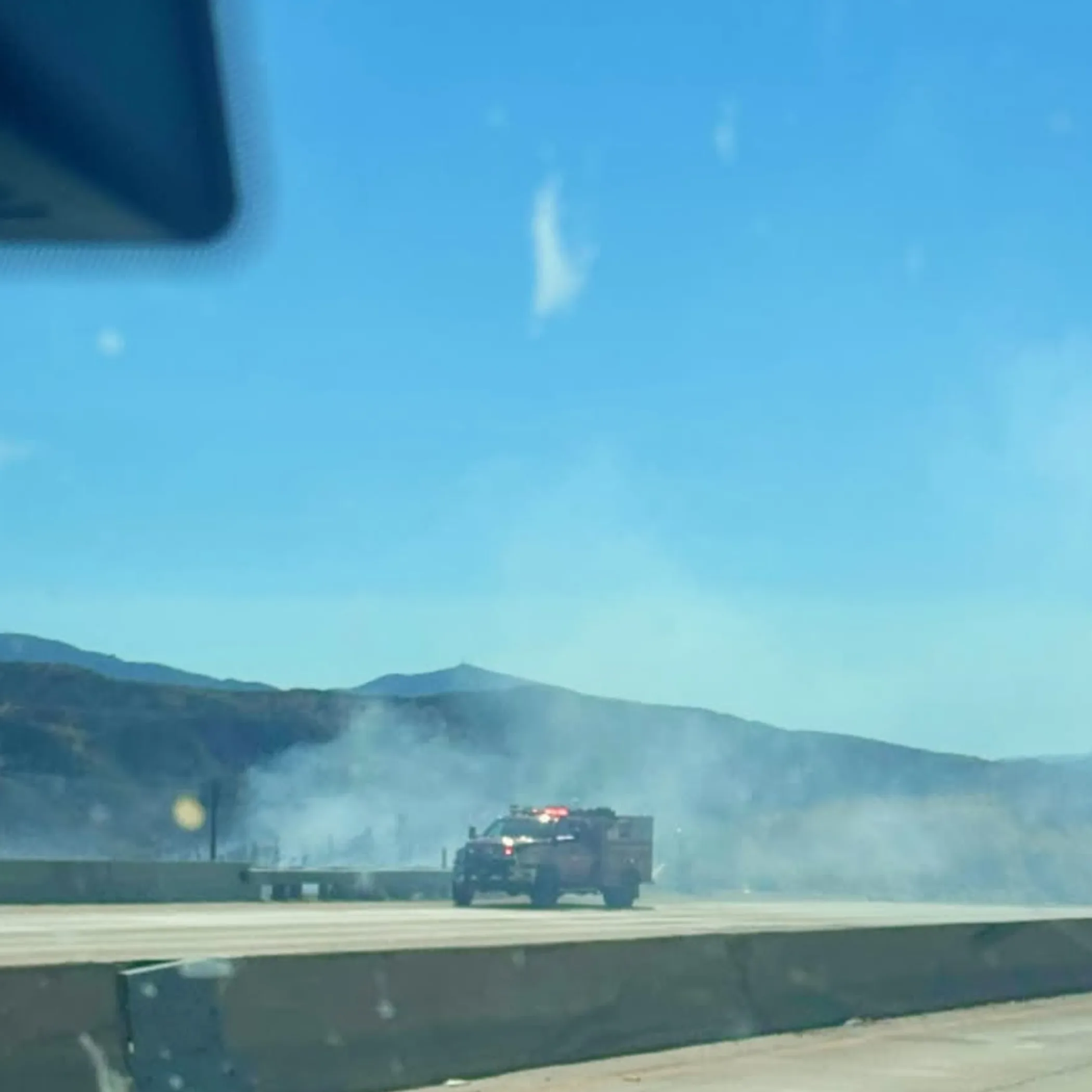
There is no failure in a cancellation. If the weather or access conditions are such that you can not put on a safe event, or if the warnings and controls at your disposal do not warrant it, then cancelling is simply good event management.
Heed any warning from the authorities and be ready to cancel, move or curtail proceedings if fire danger is too high, roads are in poor order, staff are unable to keep an eye on guests or heat cannot be adequately controlled. You may find the talk of refunds disconcerting, but an ambulance call you could have put off is something else again.
Event-Day Safety Checklist
- Have a look at what the Bureau of Meteorology has put out by way of warnings and check the local fire danger rating.
- Make sure you have water, shade, cooling and toilet facilities as well as first-aid coverage in place.
- Run through with your staff the procedures for heatstroke and exhaustion, evacuation and calling Triple Zero (000).
- Do a test of the PA, radios, emergency lighting and any back-up power.
- Put up signage for the gates, routes to and from the venue, meeting points and where to go in an evacuation.
- Look over parking and shuttles, any road closures and return routes.
- See that food is at the right temperature and that hand hygiene and waste removal are attended to; make sure insulated containers are serviceable.
- And set a cancellation trigger of which guests should be made aware before they set off.
One day’s preparation? Then focus on the official forecast and fire warnings, water, shade, first aid and whether to cancel. Let the decorative side of things be. An impressive display of bunting will not see anyone out of there safely.
Frequently Asked Questions
The Silent Killer In Australia
With the kind of heat we get here, illness is a risk that can be overlooked as people will sometimes worsen before it is apparent. Heatstroke is an emergency. Dehydration, smoke and the strain on the cardiovascular system are no less so. Staff would do well to be on the lookout for signs of confusion or uncharacteristic weakness, collapse or trouble with their breathing.
Significant Extreme Weather
Heatwaves, bushfires, cyclones, flooding, dust storms and bad surf or tides are all possibilities for an Australian event, as are severe thunderstorms and winds. Where and when you are will dictate the risk. A cool spot on the coast can still be hit by a storm, an inland venue may have to contend with extreme heat and fire on the same day.
Staying Safe In A Heatwave
Regular water, light clothing, SPF 50+ and time in the shade or at a cooling station are essential. Ease off on anything strenuous and look after those who are vulnerable. Should the venue become unsafe, make an early exit. One does not have to wait for faintness to put in a call for help.
In Case Of Heatstroke
Get them to a cooler environment and cool them down with water and air, then call 000. Remain with the person and do as the operator says. Do not attempt to give a drink to one who is unconscious, confused or can not swallow without risk.
Bushfire Preparation
Review the rules for Total Fire Bans and the Australian fire danger ratings. Have a plan for a bushfire emergency that covers staff duties, how to get in and out and a clear point at which to cancel. On a Code Red or Catastrophic day you may be better off to relocate or put it off.
A Matter Of Safety
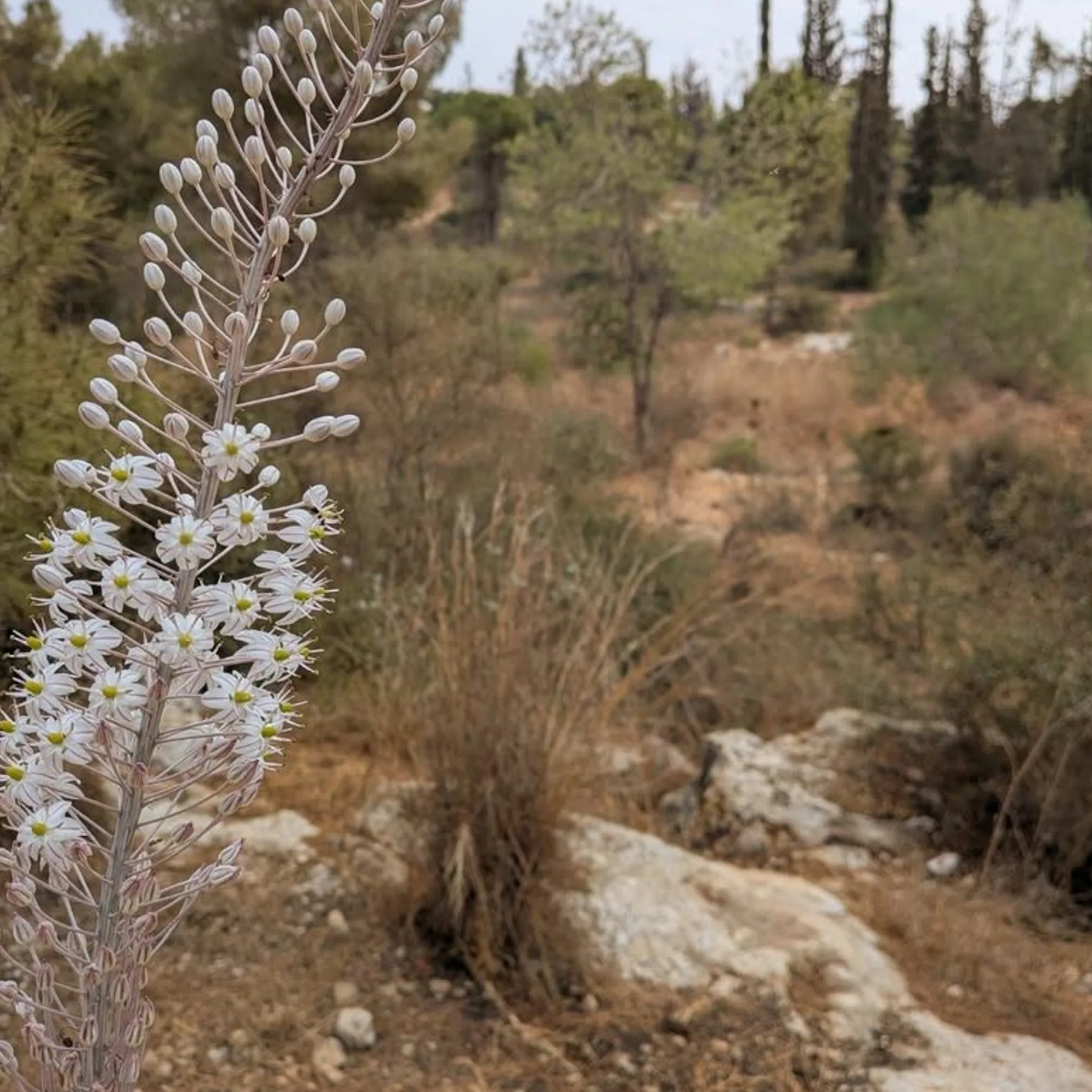
Australia’s most sound advice for an outdoor gathering in the face of the elements is to be practical: act quickly if someone is unwell, shield people from UV rays, put out water and shade, know the fire situation and the forecast.
You can use the guide to conditions and festival seasons in setting your dates, but every event is a separate matter. Parks, the bush, the coast and the suburbs are not all the same. Plan accordingly and allow for a change of direction; the weather in this country has little inclination to follow a script.
Edward Ashford is a writer on Australian travel and the outdoors. He favours a sensible detour, a map you can read and plans that hold up when the weather gets rough as guts.